Symposium
Cannabis Health Symposium: London
The UK is forecasted to have up to 130k patients this year. London will feature evidence-based education for UK clinicians, prescribers and the wider medical cannabis community.

- Date
- 26 November 2026
- Time
- 08:30 – 17:00
- Location
- Conway Hall, London, United Kingdom
- Who it’s for
- Healthcare professionals & clinicians · Industry professionals · Patient advocates
- CPD
 CPD certified — Accredited by The CPD Certification Service
- Included
- 12 months' free MCCS membership — worth up to £120
Included: 12 months' free MCCS membership — worth up to £120
Secure your place — checkout is handled securely via Eventbrite.
Healthcare professional?
The Cannabis Health Symposium returns to London for a full day of evidence-led education across policy, regulation, access and clinical practice — bringing together healthcare professionals, industry and patient advocates.
Programme
26 November 2026 · 08:30 – 17:00 · 18 sessions, including 6 panel debates
Programme subject to change — session times, titles and speakers may be updated.
- 08:30Doors open — registration & networking coffee
- 09:20
Opening remarks & welcome
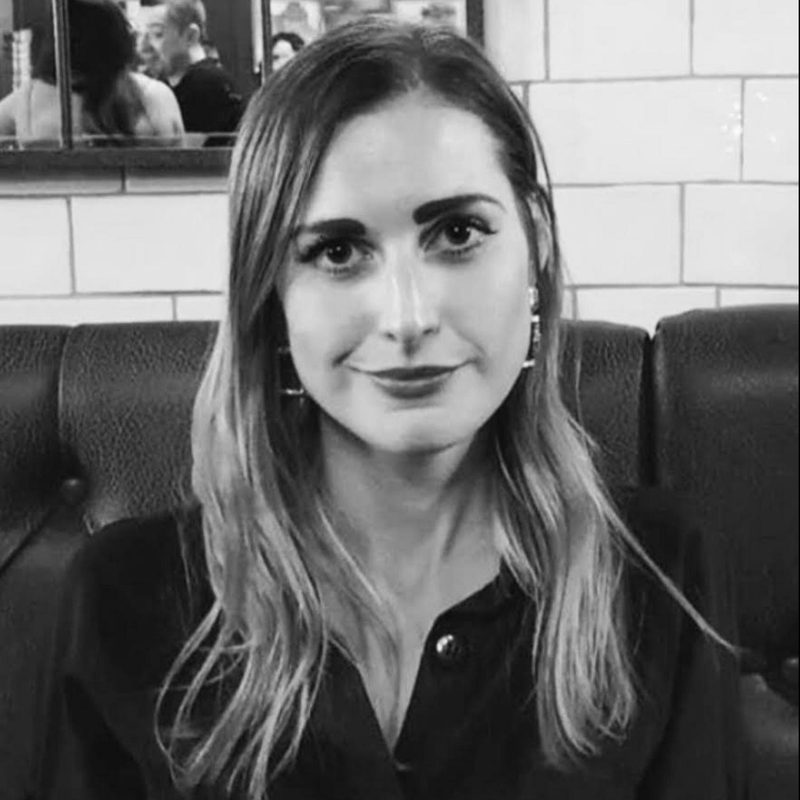 Sarah Sinclair · Editor, Cannabis Health
- 09:25
Keynote
Headline partner keynote
Opening keynote from the Symposium's headline partner, Curaleaf Laboratories.
Morning session: Policy, regulation & access
- 09:40
Presentation
Regulating unlicensed cannabis-based medicines: latest guidance and developments
Regulatory experts will outline the latest guidance relating to the importation, supply and prescribing of unlicensed medicines, as well as developments surrounding new dosage forms and product categories. Attendees will gain valuable insight into regulatory expectations, compliance requirements and future developments affecting clinics, prescribers and product manufacturers.
- 10:00
Presentation
Cannabis-based medicines and NHS pathways
Although medical cannabis has been legal in the UK since 2018, access through NHS services remains limited. This session will explore the current NHS landscape for licensed and unlicensed cannabis-based medicines, including referral pathways, prescribing processes, commissioning challenges and barriers to wider adoption — plus how private providers can work effectively alongside NHS services, opportunities for collaborative care models, and what changes may be required to improve patient access within mainstream healthcare settings.
- 10:20
Panel discussion
Building a safe, effective and compliant medical cannabis service
As the sector continues to mature, robust governance and regulatory compliance remain essential for clinics providing cannabis-based medicines. This practical, workshop-style session will explore the systems, processes and quality standards required to meet Care Quality Commission expectations — common challenges, lessons learned from inspections, and practical strategies for achieving and maintaining good or outstanding ratings. Designed for clinic operators, medical directors and governance leads.
- 11:00
Presentation
Medical cannabis in the workplace: safety, compliance and employee rights
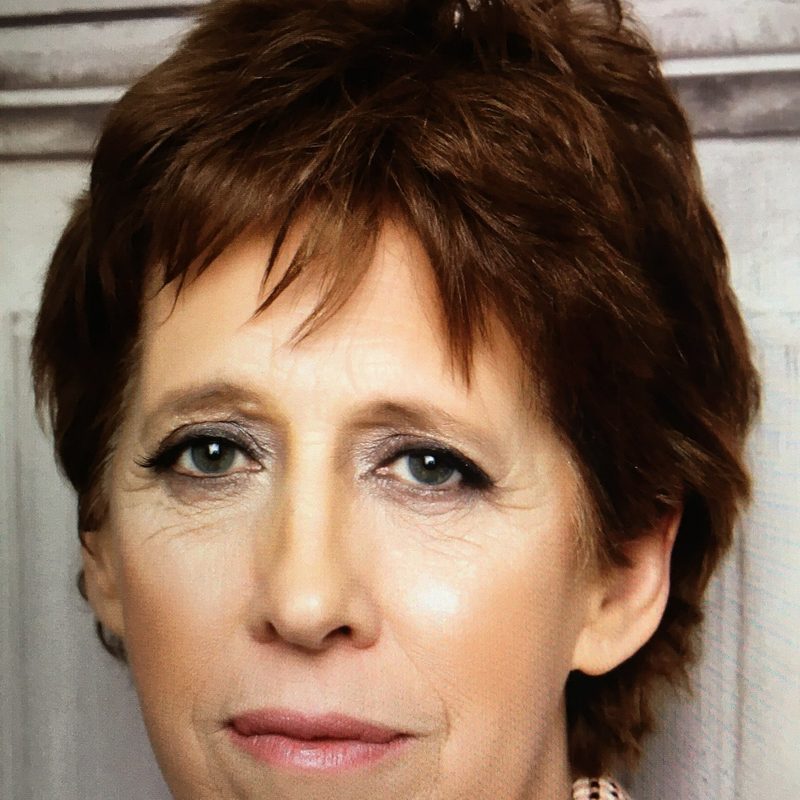 Professor Kim Wolff · Director of King's Forensics, King's College London
As the number of prescribed medical cannabis patients continues to grow, employers and occupational health professionals are increasingly faced with complex questions around workplace safety, drug testing, fitness for work and reasonable adjustments. This session will explore the legal and practical considerations surrounding medical cannabis in employment settings, including the challenges faced by patients working in safety-critical roles — towards fair, evidence-based workplace policies.
- 11:30
Presentation
Medical cannabis police guidance: understanding rights and responsibilities
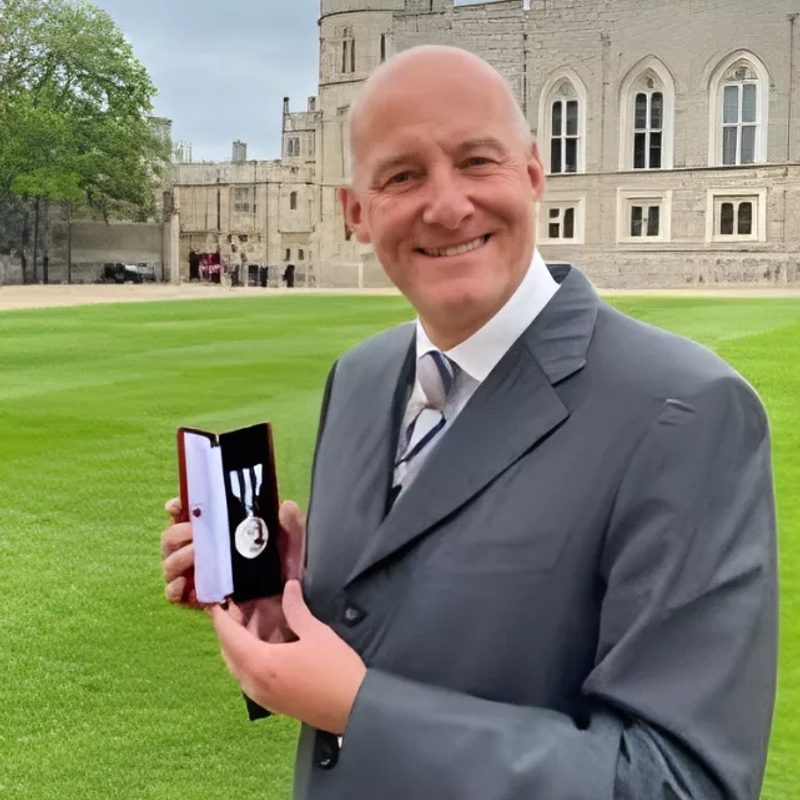 Richard List · National Secretary and CDLO, Association of Police Controlled Drug Liaison Officers
Despite legalisation, many medical cannabis patients continue to experience confusion and inconsistency when interacting with law enforcement. This session will present the latest police guidance for medical cannabis patients, helping clinicians, patients and healthcare providers better understand the practical implications of the law and how it is being applied across the UK.
- 12:00
Presentation
Setting the Standard: How Harmonisation Turns CBMs Into Trusted Care
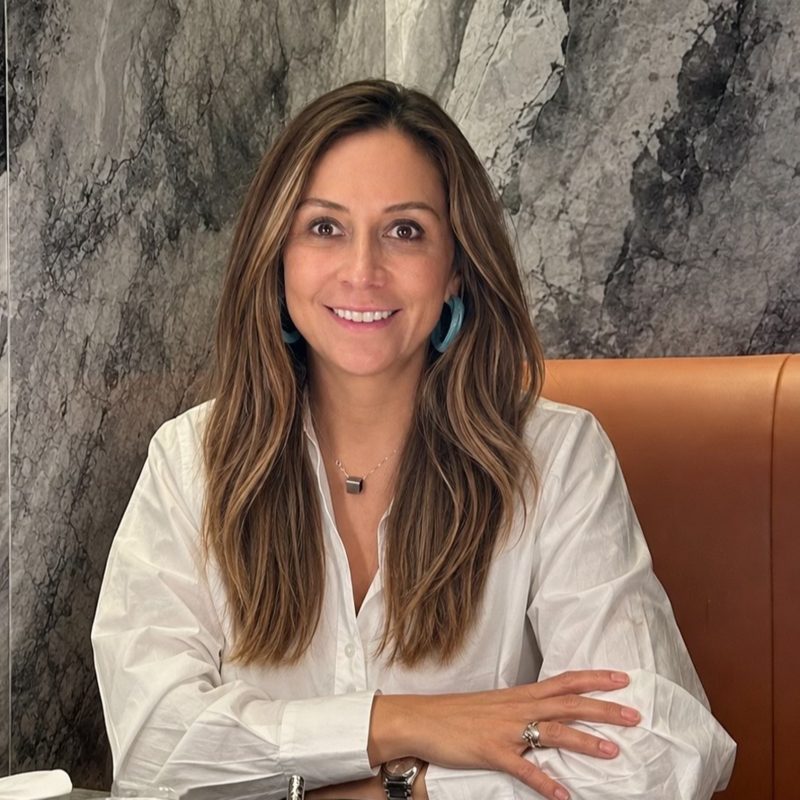 Ana Serrato · Chair, Cannabis Human Health Subcommittee (D37.11); Chairwoman, EUMCA, ASTM International
Across Europe, early access programmes for cannabis-based medicines run under fragmented, country-specific rules, each with its own quality expectations, evidence requirements and pathway to patients. That fragmentation leaves manufacturers, regulators and healthcare professionals without a shared language, making it hard to guarantee that patients receive consistently high-quality, safe products wherever they are treated.
Read more
That is the gap ASTM D37.11: Human Health is built to close, covering product quality, health evidence and responsible use in one framework. Closing it gives manufacturers one consistent technical reference, healthcare professionals reliable evidence to guide prescribing, patients assurance of quality and safety, regulators a harmonised benchmark, and investors the predictability needed for cross-border trade. Trusted cannabinoid-based care will not come from national regulation alone. It requires one shared standard, built for the full journey from product to patient.
- 12:30
Session to be announced
- 13:00Lunch & networking
Afternoon session: Science and clinical practice
- 14:00
Panel discussion
Managing risk and maximising benefit in mental health care
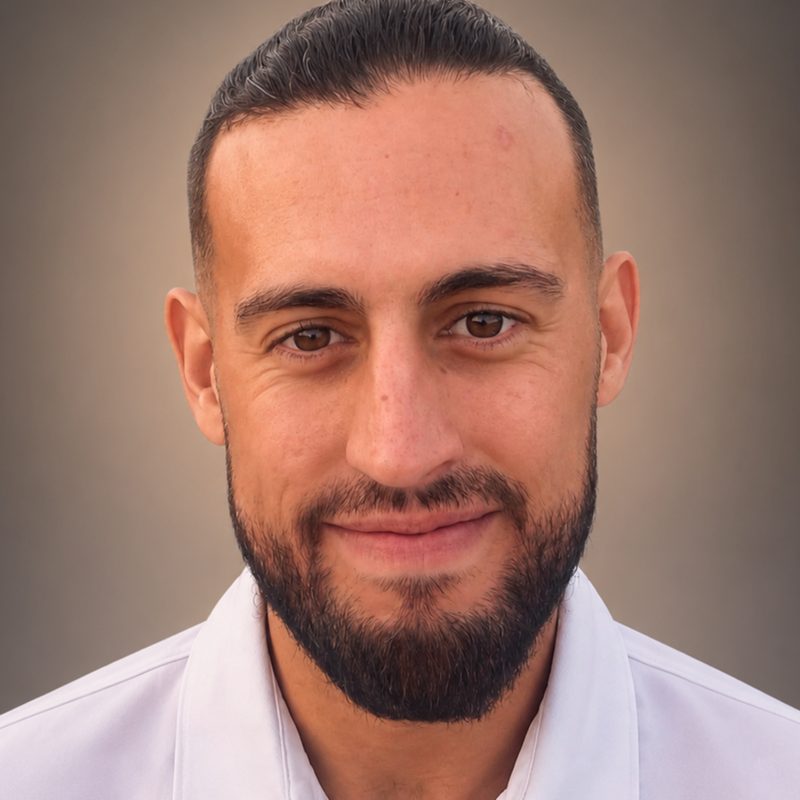 Alex Fraser · Founder & Managing Director, Patient Protect
Mental health remains one of the most discussed and debated areas of medical cannabis practice. This session will examine the current evidence for cannabis-based medicines in psychiatric conditions, while addressing concerns around safety, dependency, psychosis risk and patient selection. Leading psychiatrists and clinicians will discuss prescribing considerations, risk mitigation strategies and the role of cannabis-based medicines within wider mental health treatment pathways. The session will provide practical guidance for clinicians navigating this complex and evolving area of practice.
- 14:40
Panel discussion
Cannabis for Neurological Disorders and Neurodiversity: Fact or Fiction?
Interest in the use of cannabis-based medicines for neurodevelopmental conditions continues to grow among clinicians, patients and families. This panel discussion will examine the current evidence surrounding the use of CBMPs in Autism Spectrum Disorder and Attention Deficit Hyperactivity Disorder, while exploring gaps in conventional treatment options and emerging understanding of the endocannabinoid system in neurodivergent populations. Combining clinical expertise, research perspectives and lived experience, the session will provide a balanced discussion of the opportunities, challenges and unanswered questions in this rapidly evolving area.
- 15:00
Debate
RCT vs RWE: is it time to look beyond the placebo-controlled trial?
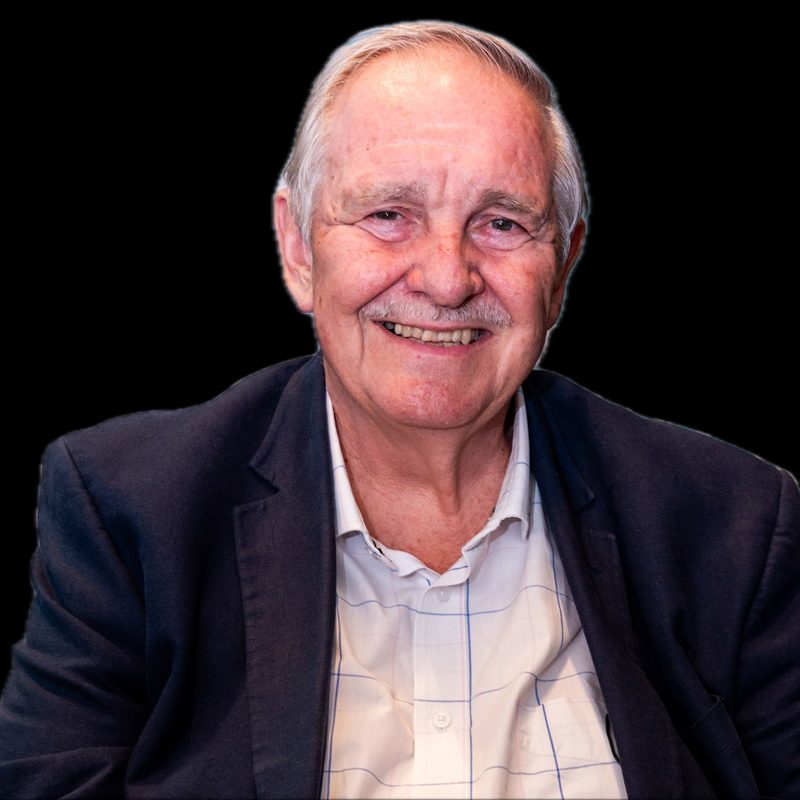 Professor David Nutt · Professor of Neuropsychopharmacology, Imperial College London, Drug Science
For the last 50 years, randomised controlled trials (RCTs) have been considered the 'gold standard' in research measuring the safety and efficacy of new drugs. But there are known limitations of these types of studies, particularly in cannabinoid medicine, and some argue we should give greater weight to other types of evidence like real-world data when determining whether treatments are safe and effective. In this session, two leading academic experts in psychiatry, addiction and pharmacology will debate whether it's time for the scientific community to look beyond the double-blind placebo-controlled trial.
- 15:30
Panel discussion
Addressing unmet needs in women's health
Women are increasingly seeking cannabis-based medicines to manage a range of conditions that are often poorly served by conventional treatment options. This multidisciplinary panel will explore the use of medical cannabis across menopause, endometriosis, PMDD, chronic pelvic pain and related disorders — examining the current evidence, clinical experience and future research priorities, and how healthcare providers can better support women seeking alternative treatment approaches.
- 15:50
Panel discussion
Medical Cannabis and Pain Treatment: What Real World Evidence Tells Us
Chronic pain remains the most common reason patients seek a medical cannabis prescription, yet the evidence base is still catching up with clinical demand. This panel brings together registry data, prescribing experience and independent clinical scrutiny to ask what the real-world evidence actually shows, and where it falls short.
Read more
Drawing on UK Medical Cannabis Registry outcomes, frontline prescribing experience and the perspective of the Advisory Council on the Misuse of Drugs, speakers will examine THC:CBD response patterns, opioid-sparing potential, and the data gaps still standing between promising patient outcomes and broader clinical or reimbursement acceptance. Rather than another advocacy panel, this session is built to stress-test the evidence itself: what counts as robust data, what remains anecdotal, and what needs to happen next for medical cannabis to earn its place in mainstream pain management.
- 16:10
Panel discussion
Patient round-table
Cannabis is a very personalised treatment and good communication between prescribers and their patients is crucial. Listening to the patients' perspective provides clinicians with a vital source of insight into the real-world impact of these medicines, which can help inform future prescribing decisions.
Read more
This patient round-table will give healthcare and industry professionals a unique opportunity to hear directly from patients about their lived experiences with cannabis-based medicines, from navigating access to managing day-to-day treatment. It will explore how prescribers and the wider care team can work effectively with patients to build trust, meet their needs and deliver person-centred care.
- 17:00Close
Workshop stage — runs alongside the main programme
- 11:50
Presentation
Patient Safety and the Illicit Market: What Prescribers Need to Know
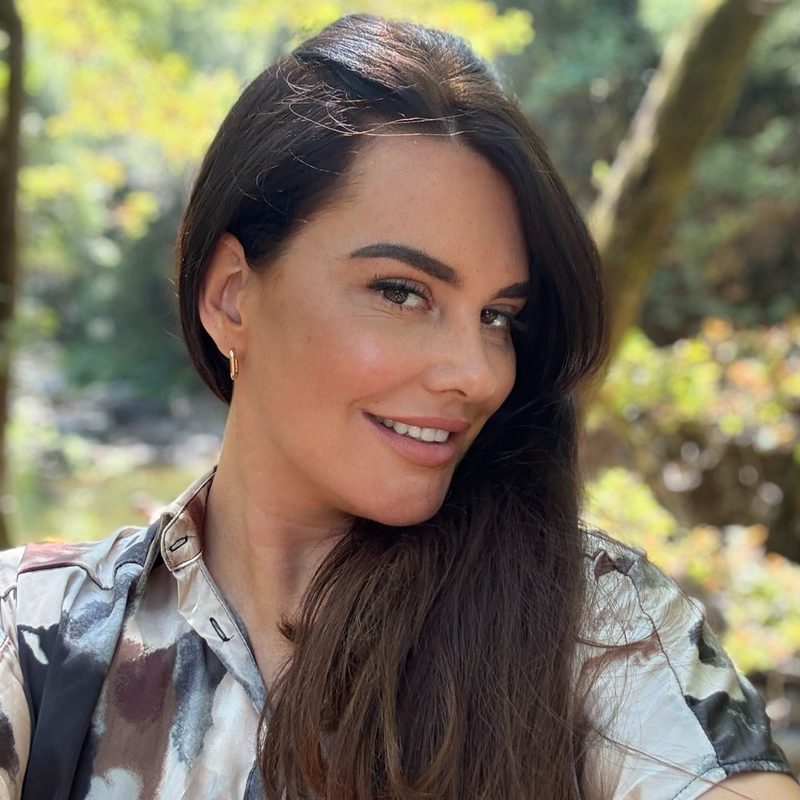 Shanna Marrinan · Director of Research, 4C Labs
Medical cannabis has an unusually strong safety profile, and even in illicit markets, serious harm is rare. But rare is not the same as absent, and where risk does show up, it rarely comes from the cannabis itself. This session presents new analysis of UK drug-checking data from WEDINOS (Welsh Emerging Drugs & Identification of Novel Substances), examining 578 cannabis-intent samples submitted over an 18-month period through anonymous postal testing and police and prison seizures. Using LC-QTOF chemical analysis capable of detecting novel psychoactive substances, the research found that nearly half of all samples (48.79%) were compromised: containing substances with no natural place in cannabis. Most strikingly, 188 samples contained no cannabinoids at all, having been fully substituted with an active adulterant, while a further 37 combined cannabis with an added psychoactive compound.
Read more
The scale of synthetic cannabinoid receptor agonist contamination is a key finding, present in over a quarter of all samples tested, with MDMB-4en-PINACA alone detected in one in five. For clinicians and policymakers, this raises a pointed question: how much of the harm attributed to "cannabis" in unregulated settings is actually harm from something else entirely, deliberately added to boost perceived potency or appeal. The session will walk through the data, unpack the likely motivations and consequences behind this kind of adulteration, and consider what it means for the case for a fully regulated, GMP-certified medical cannabis supply chain, where this category of risk is largely designed out.
This session covers: how common is adulteration really, what compounds are showing up and why, what these findings suggest about supply chain risk versus cannabis risk itself, and how regulation and GMP standards change the picture.
- 12:20
Workshop & Q&A
Patient discrimination workshop and Q&A
- Alex Fraser · Founder & Managing Director, Patient Protect
Prescription cannabis patients continue to face discrimination in policing, employment, housing, healthcare, driving and access to services, often because the law and patients' rights are poorly understood. This workshop draws on Patient Protect casework to explore where discrimination occurs, why it happens, and what patients, professionals and organisations can practically do about it.
- 14:00
Workshop
Beyond Pharmacology: How Social Science Can Improve Medical Cannabis Patient Outcomes
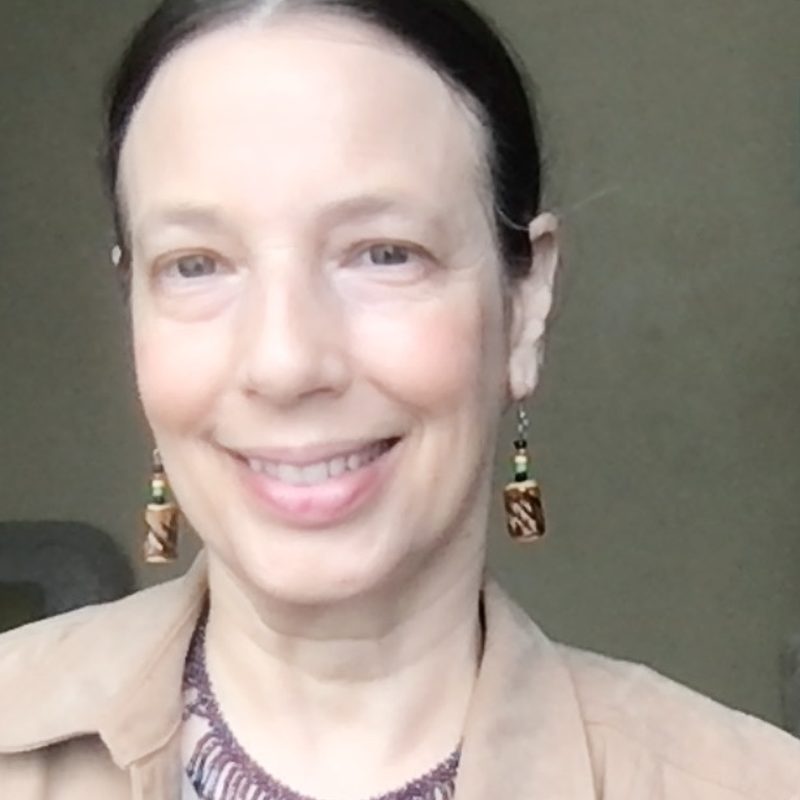 Dr Anna Waldstein · Senior Lecturer in Medical Anthropology, University of Kent
As medical cannabis becomes increasingly integrated into healthcare, attention is often focused on clinical evidence, prescribing practice and pharmacology. However, patient outcomes are influenced by more than the therapeutic properties of cannabis-based medicines alone. Social, cultural and behavioural factors play a significant role in shaping treatment engagement, adherence, patient experience and, ultimately, clinical results.
Read more
This session explores how insights from sociology and anthropology can enhance medical cannabis care. Social science research on cannabis spans diverse areas, including therapeutic cannabis traditions, patient experiences, health behaviours, stigma, identity, ethnicity and the social determinants of health. These perspectives provide valuable tools for understanding how patients make sense of their illness, develop expectations of treatment, and navigate decisions about cannabis use within their social and cultural environments.
Drawing on concepts such as explanatory models, illness narratives and structural violence, the session will demonstrate how social science frameworks can be applied in routine clinical practice. Through real-world examples and case studies, participants will learn why patients with similar conditions and prescriptions often report very different experiences and outcomes, and how clinicians can better identify and address non-pharmacological barriers to successful treatment.
Designed for clinicians involved in medical cannabis prescribing and patient management, this session translates social science research into actionable strategies that can be applied immediately in practice.
Included: 12 months' free MCCS membership — worth up to £120
Secure your place — checkout is handled securely via Eventbrite.
Speakers
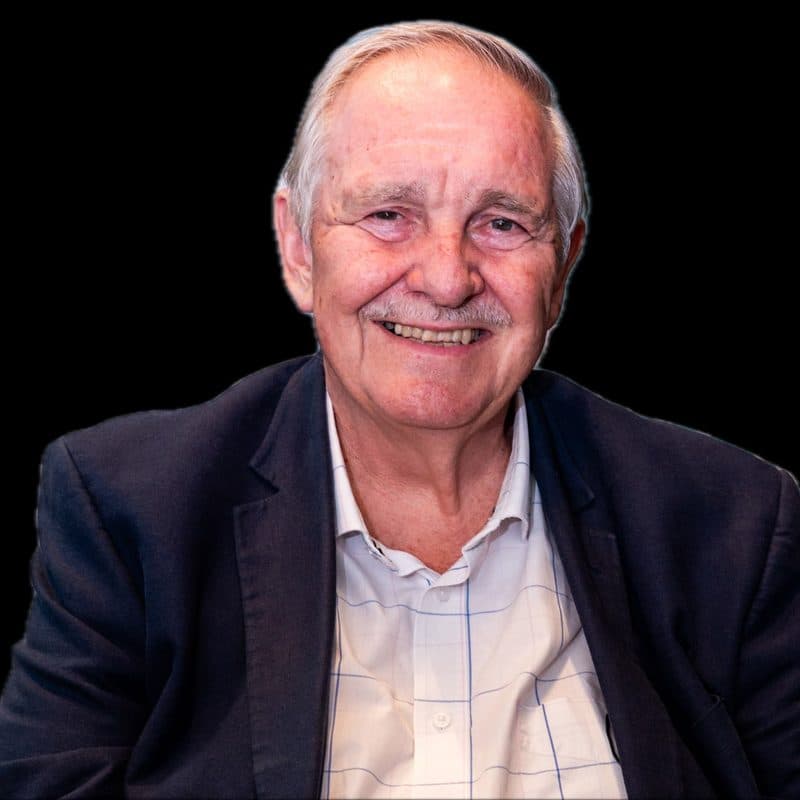
Professor David Nutt
Professor of Neuropsychopharmacology, Imperial College London, Drug Science
Read bio
David is Prof of Neuropsychopharmacology at Imperial College London and CRO Awaknlifesciences. He trained at Cambridge and Guy’s hospital to MRCP then did his psychiatry training and DM at the MRC Clinical Pharmacology Unit Oxford after which he became a Wellcome Senior Fellow. He then spent two years as heading the research ward at NIAAA in Washington DC before setting up the Psychopharmacology unit at Bristol University in 1988, where he later became Prof of Psychiatry and Dean of Clinical Medicine before moving to Imperial in 2008. He has held presidencies of the EBC, BAP, BNA and ECNP, was chair of the ACMD and founded the charity DrugScience. He has over 500 original research papers, a similar number of reviews/book chapters, eight government reports and 36 books. In 2013 he was awarded the John Maddox Prize from Nature/Sense about Science and in 2017 a Doctor of Laws hon causa from the University of Bath
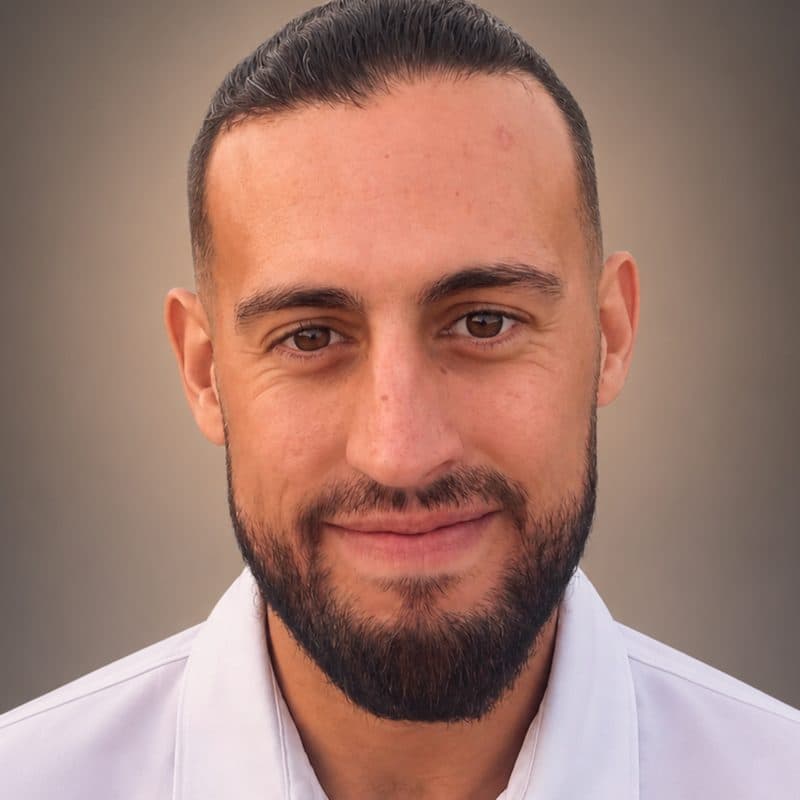
Alex Fraser
Founder & Managing Director, Patient Protect
Prescription cannabis patients continue to face discrimination in policing, employment, healthcare and everyday life, often because the law and patients’ rights are poorly understood. Through Patient Protect, I see the real-world consequences of that misunderstanding regularly. I’m looking forward to bringing those experiences to the Cannabis Health Symposium, exploring where discrimination occurs, why it happens, and what patients, professionals and organisations can practically do about it.
Read bio
Alex Fraser is a UK medical cannabis patient advocate and industry professional with over a decade of experience supporting patients and improving understanding of prescription cannabis.
He co-founded the United Patients Alliance in 2014, campaigning for legal access to cannabis medicines through to the UK law change in 2018.
In 2025 Alex founded Patient Protect, an organisation supporting prescription cannabis patients experiencing discrimination and legal difficulties. Through this work, he has supported patients facing issues involving policing, employment, housing, healthcare, driving and access to services, and works to improve understanding of patients’ rights among organisations and public authorities.
He is ABPI qualified, regularly speaks at cannabis, healthcare and policing conferences, and brings both professional and lived experience as a long-term prescribed cannabis patient for his Crohn’s Disease.
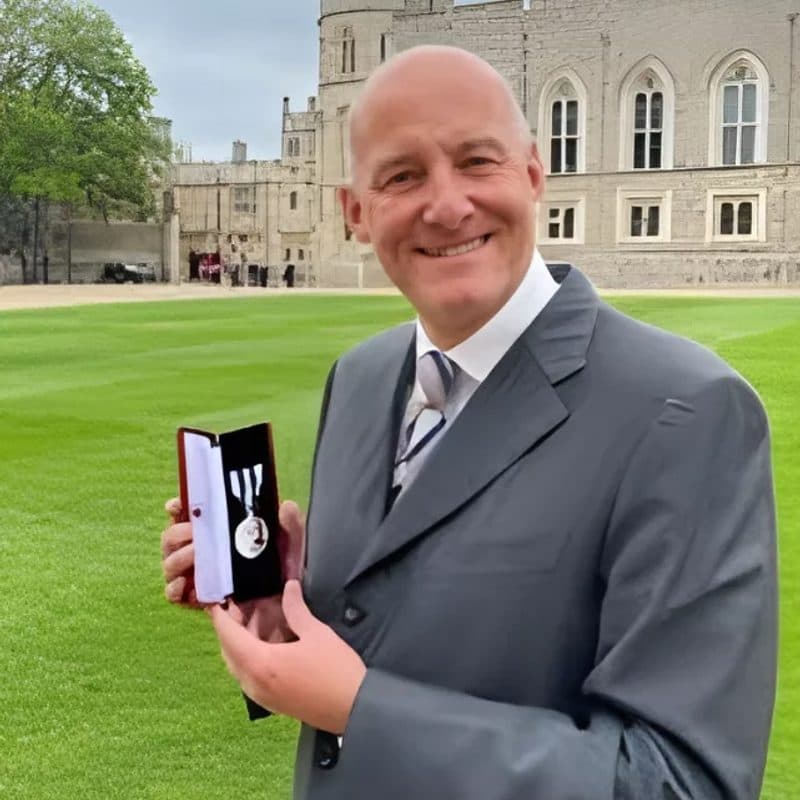
Richard List
National Secretary and CDLO, Association of Police Controlled Drug Liaison Officers
My priority is to increase knowledge and understanding about medical cannabis amongst police officers and police staff. And to create consensus, cooperation and collaboration with patients, health care partners, the medical cannabis industry and wider community.
Read bio
Richard List is the National Secretary of the Association of Police Controlled Drug Liaison Officers. He retired after thirty years as a Detective Chief Superintendent, and for many years led the Thames Valley Police Drug Squad. He was a Police Gold Commander and has extensive policing experience. He is the author of the Official UK Police Guidance on Medical Cannabis — “Patient First, Suspect Second” (2025), and is currently working on a second edition. He is the Police Representative on the national CQC Drugs Group, and was awarded a Queen’s Police Medal (QPM) in 2001.
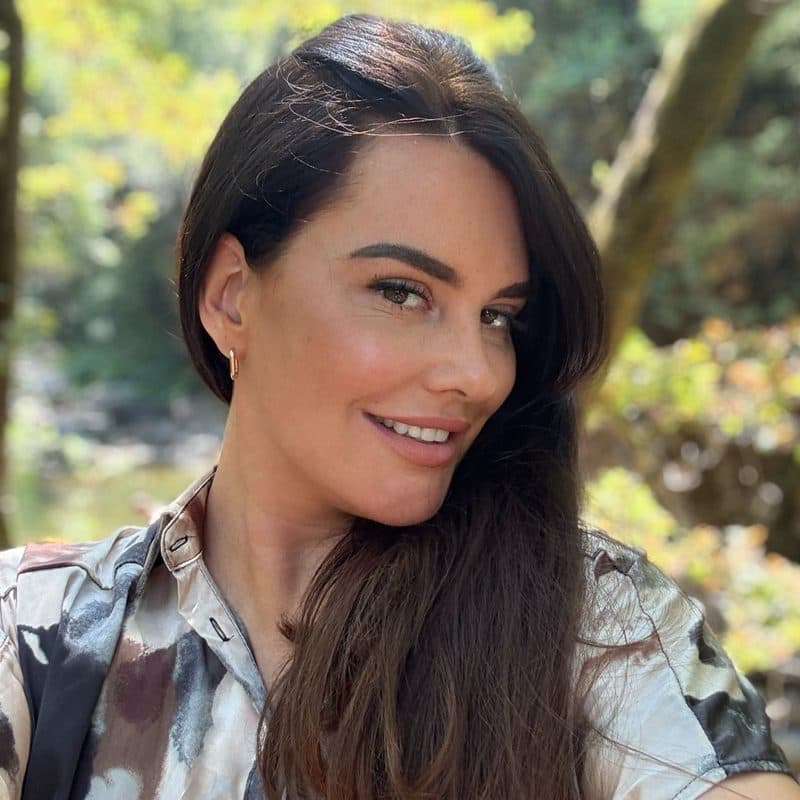
Shanna Marrinan
Director of Research, 4C Labs
I am honoured to participate in an event aimed specifically at the education of health professionals around medical cannabis. My professional drive is centred on building evidence-led, clinically-grounded research, in the hope of supporting development of good policy and clinical practice in this growing sector of medicine. The Cannabis Health Symposium embodies this same focus, and I’m very proud to be a part of that.
Read bio
Dr. Shanna Marrinan is Research Director at 4C Labs, and was formerly Chair of the Cannabis Industry Council Research Committee, and member of the Drug Science Medical Cannabis Working Group. Shanna also continues to work as an Independent Consultant, formerly at London School of Hygiene and Tropical Medicine, the Houses of Parliament, and University College London, and lectures one day a week at IES. She was previously a research fellow at the Novel Psychoactive Substances Unit, University of Hertfordshire, and has published internationally on issues of drugs policy, toxicology and pharmacology. Her principal research interest focuses on the therapeutic applications for medical cannabis.
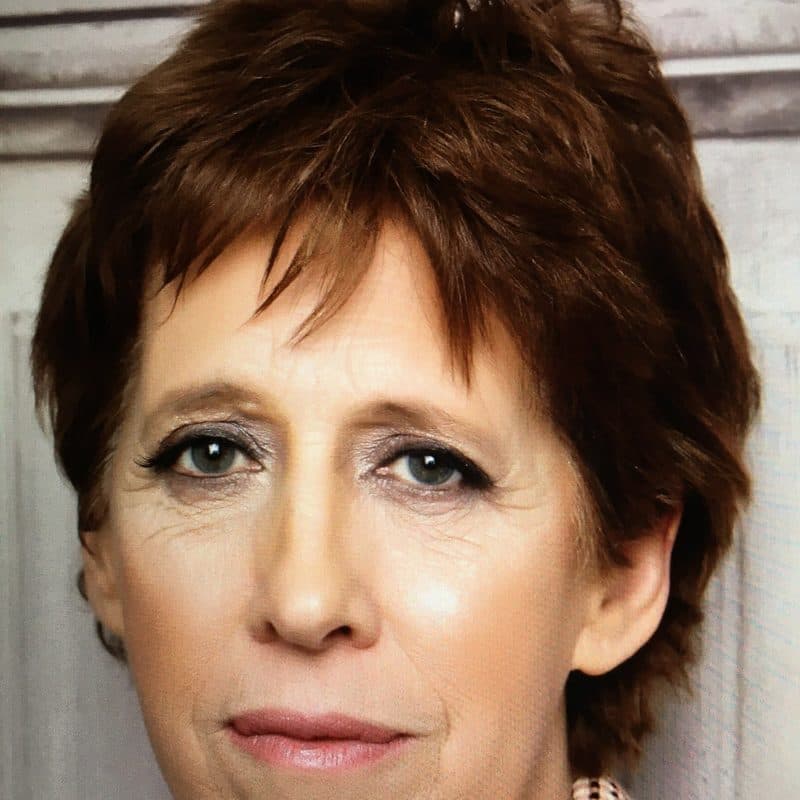
Professor Kim Wolff
Director of King's Forensics, King's College London
Looking forward to knowledge sharing and lively debate
Read bio
Professor Kim Wolff is Director of King’s Forensics at King’s College London and Head of the Drug Control Centre, the UK’s only WADA-accredited anti-doping laboratory. She also leads King’s Forensics Mass Spectrometry Services (KF-MSS), which provides specialist cannabis and cannabinoid testing services using advanced liquid chromatography–mass spectrometry (LC-MS) techniques.
An internationally recognised expert in analytical toxicology, Professor Wolff specialises in the detection and interpretation of drugs, metabolites, cannabinoids, and other biomarkers in a range of biological matrices. Her work supports clinical trials, regulatory submissions, forensic investigations, and anti-doping programmes. She has advised national and international organisations on drug testing, cannabinoid safety, and analytical standards.
Professor Wolff received an MBE in 2016 for her contribution to UK drug-driving legislation. She continues to lead research into drug detection and metabolism, while overseeing testing programmes for major sporting events and developing innovative approaches to the identification of prohibited and emerging substances.
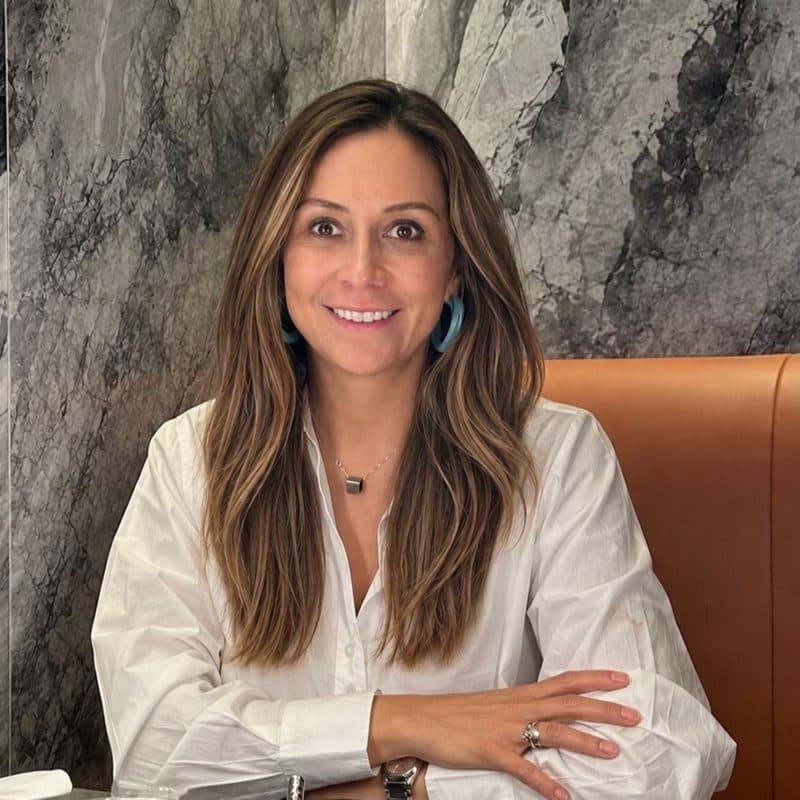
Ana Serrato
Chair, Cannabis Human Health Subcommittee (D37.11); Chairwoman, EUMCA, ASTM International
Read bio
Ana Serrato is a seasoned pharmaceutical executive with extensive expertise in innovative therapies, orphan drugs and, more recently, cannabinoid-based medicines (CBMs). With over 20 years of experience in the pharmaceutical and biotechnology sectors, she has held leadership roles at national and regional level in major pharmaceutical companies and biotech start-ups. Originally from Colombia, Ana relocated to Germany in 2019 as Global Pharma Head at Clever Leaves, and later joined Avextra Pharma, where she leads the Clinical Development Team. A passionate advocate for CBM research and data-driven, patient-centric policy, she was appointed Chairwoman of the European Medical Cannabis Association (EUMCA) in 2024 and recently Chair of ASTM's Cannabis Human Health Subcommittee. Ana holds a degree in Microbiology from the Universidad de los Andes, Bogotá, and an MBA from Universidad Carlos III, Madrid.
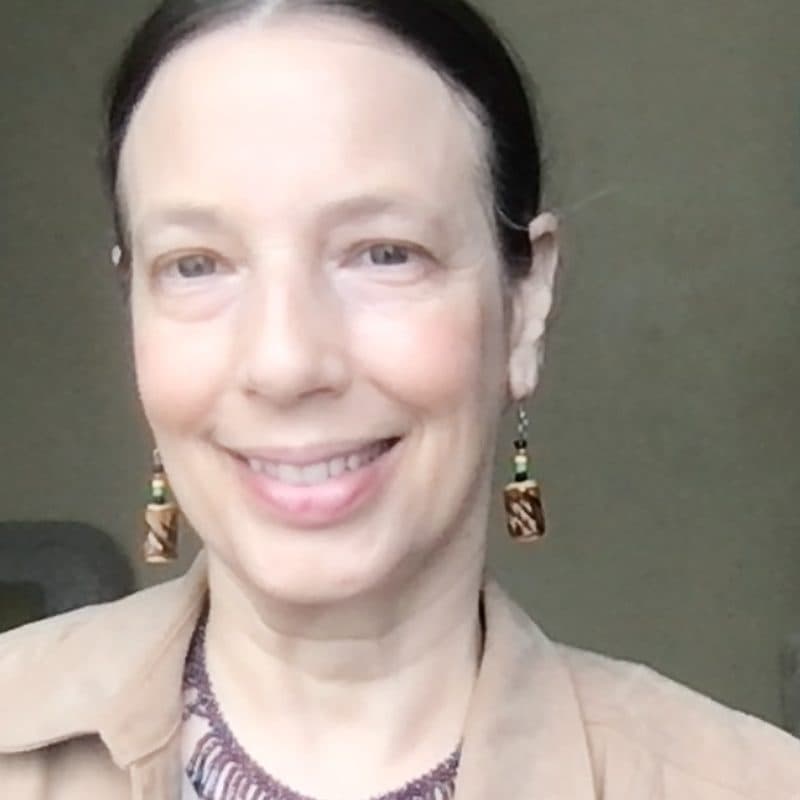
Dr Anna Waldstein
Senior Lecturer in Medical Anthropology, University of Kent
What roles do social, cultural and behavioural factors play in shaping medical cannabis outcomes? I look forward to discussing how social science concepts can be applied to improve patient care.
Read bio
Dr Anna Waldstein is a medical anthropologist and ethnobotanist at the University of Kent, one of the original co-founders of Breaking Convention: A Multidisciplinary Conference on Psychedelic Consciousness, and founder of Tree of Life Advisory Service (offering social science education and advice for medical cannabis providers). She has conducted ethnographic research with several Rastafari organisations in London on the importance of cannabis and other herbal medicines in the African Caribbean diaspora. Dr Waldstein has contributed to reports on cannabis-based medicines for the Conservative Drug Policy Reform Group and her research publications have been cited in the promotion of cannabis reform in the UK and Jamaica. In addition to traditional undergraduate and postgraduate teaching, she has also led training workshops on medical anthropology concepts, and on cultures of cannabis use to healthcare professionals.
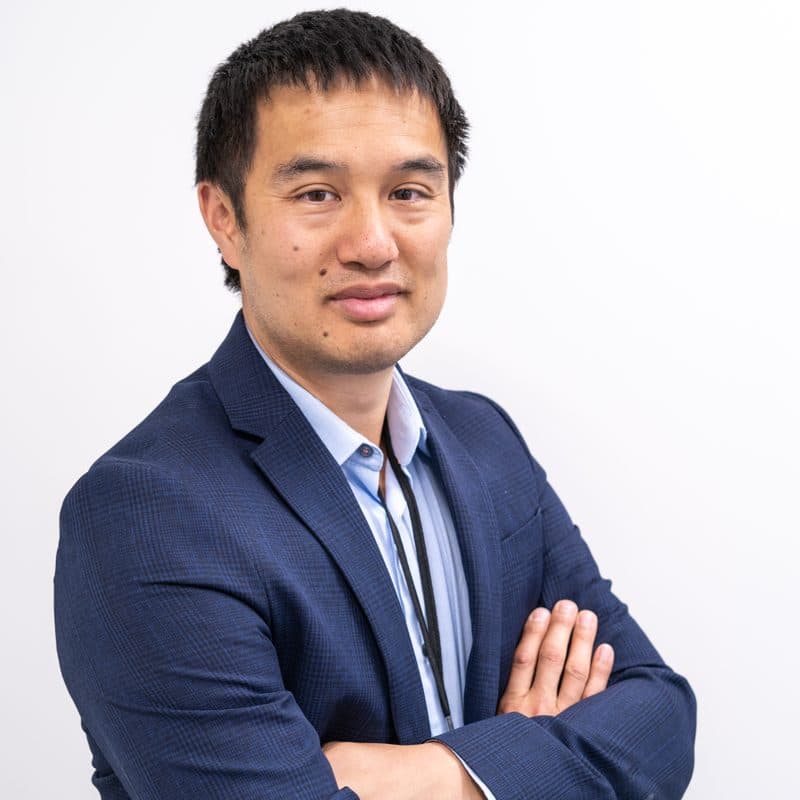
David Tang
CEO & Founder, CannPrescribe
Read bio
CannPrescribe is the UK’s only recruitment partner dedicated exclusively to supplying clinic-ready cannabis prescribers. We connect clinics with clinicians who bring scientific knowledge, regulatory readiness and a high standard of professionalism from day one.
Our service is designed for clinics who:
• Are new to the medical-cannabis field
• Are scaling their clinical team, or
• Want to strengthen their prescribing capability with higher-quality expertise.
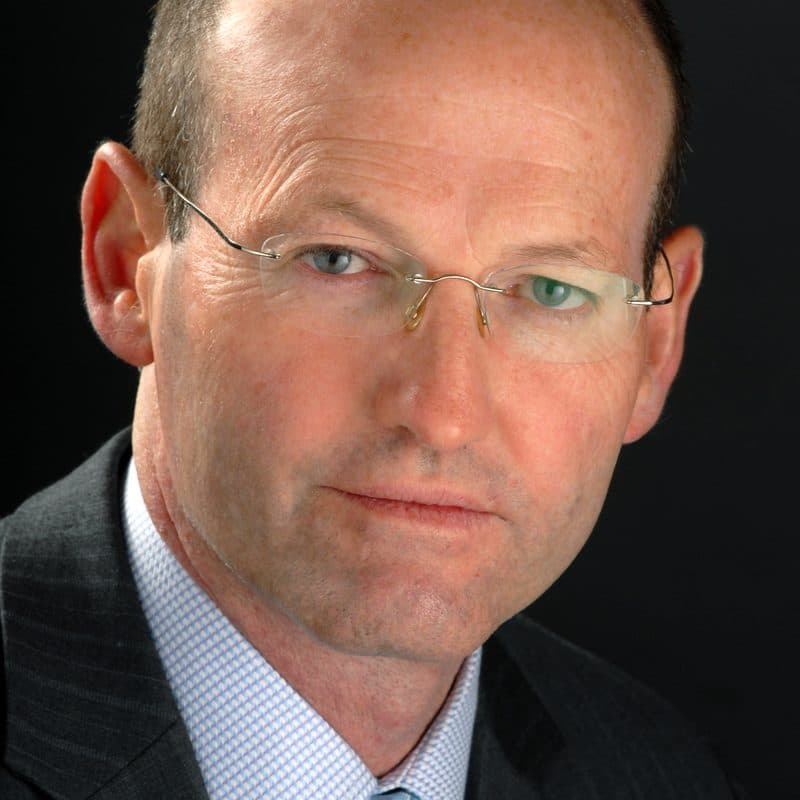
Dr Simon Tordoff
Consultant in Pain Management, CB1 Medical
I must confess that I spent a large part of my career ignorant about the benefits of medical cannabis and I had no experience of prescribing it. I have learned so much in the last 4 years and it has been a stimulating and rewarding journey, and I have seen it help so many patients. I want to share with you what I've learned on this journey in the hope that it encourages more doctors to start prescribing cannabis in the future.
Read bio
Dr Simon Tordoff graduated in 1980 from the University of Cape Town Medical School in South Africa. He moved to the UK in 1987 and then specialised in Anaesthesia and Pain Management in London and Leicester.
He has worked in Pain Management for the past 35 years treating both chronic and cancer-related pain conditions. He has been prescribing medical cannabis products for the past 4 years.
He was involved in the establishment of the CB1 Medical clinic. This developed from a General Practice in Leicester and was launched in 2023. The clinic provides medical cannabis treatments for a wide range of clinical conditions.
Trevor Jones
Co-Chair, UK Cannabinoid R&D Group
Cannabinoid R&D is at an important crossroads in terms of government support and public and private investment. We need to work together to optimise the opportunity for future growth.
Read bio
Trevor Jones is Co-Chair of the UK Cannabinoid R&D Group. He is a former Global R&D Director of The Wellcome Foundation, a former Director General of the ABPI and a former Director of Allergan Inc (California). He is a former member of the UK regulatory agency the Medicines Commission.
He is currently a Director of TechImmune Inc, Tangram Therapeutics plc and EDX Medical Group plc.
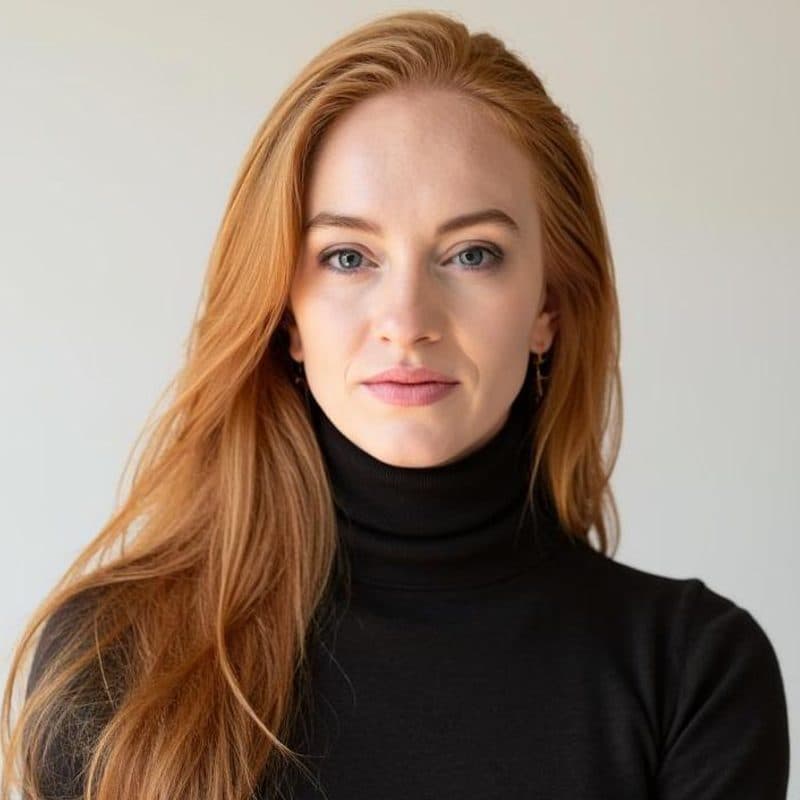
Dr Grace Blest-Hopley
Founder & Researcher, Hystelica
Women are already turning to cannabis to manage unmet health needs, from menstrual pain to menopause, and the community evidence is clear. Yet we still don't understand how the menstrual cycle and female physiology interact with cannabis. Women deserve proper research and products designed for their health and wellbeing, not guesswork. I'm excited to be part of an event putting that gap front and centre.
Read bio
Dr Grace Blest-Hopley is a neuroscientist whose career spans more than a decade of cannabis and psychedelic research, from observational field studies to clinical drug development. She is a Research Associate at King's College London's Institute of Psychiatry, Psychology & Neuroscience, and an advisor to NWPharmaTech, a clinical-stage company developing a pharmaceutical-grade CBD medicine.
Grace is the founder of Hystelica, a research and education organisation tackling the gender gap in psychedelic medicine by putting female biology and women's health at the centre of the science. Her work explores how hormones, the menstrual cycle and sex differences shape responses to cannabinoids and psychedelics.
She is also Research Director at the Heroic Hearts Project, which supports veterans' mental health research.
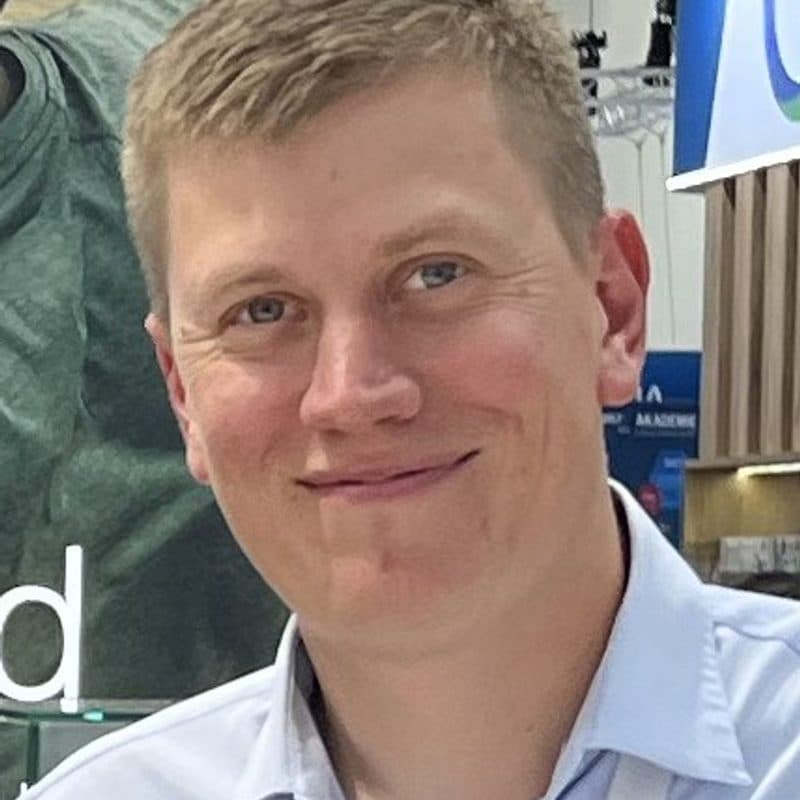
Dr Julian Haist
Medical Affairs Representative, Tilray Medical
Real-world evidence complements clinical research and provides valuable insights into the use of cannabinoid-based medicines in everyday clinical practice.
Read bio
Julian Haist is a Medical Affairs Manager with a Ph.D. in Biology (Dr. rer. nat.) and is responsible for Medical Affairs activities in the German market, working closely with international teams. His expertise lies in the communication of scientific and regulatory information and in providing medical support to both internal and external stakeholders. His responsibilities include the development and review of medical content, the delivery of training programs, collaboration with healthcare professionals and scientific societies, and support for clinical and real-world evidence projects. Through the analysis and interpretation of scientific data, he derives actionable insights and contributes to the strategic advancement of medical initiatives.
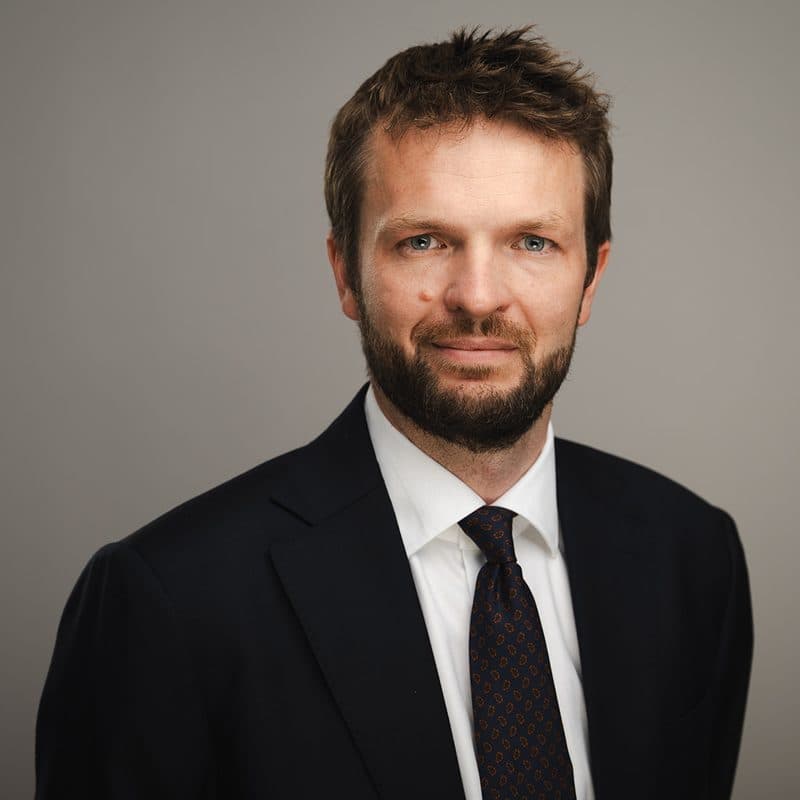
Edward Chesney
Clinical Lecturer, King's College London
Read bio
Edward Chesney is a clinical lecturer at King’s College London and an honorary consultant psychiatrist at the Maudsley Hospital. He is an investigator on three clinical trials of cannabidiol (CBD) for people with early psychotic disorders and has conducted several experimental studies of the acute effects of CBD and THC in people with schizophrenia, people with cannabis dependence, and healthy volunteers. He has also researched the impact of cannabis withdrawal syndrome in psychiatric populations and the safety of medical cannabis prescribing.
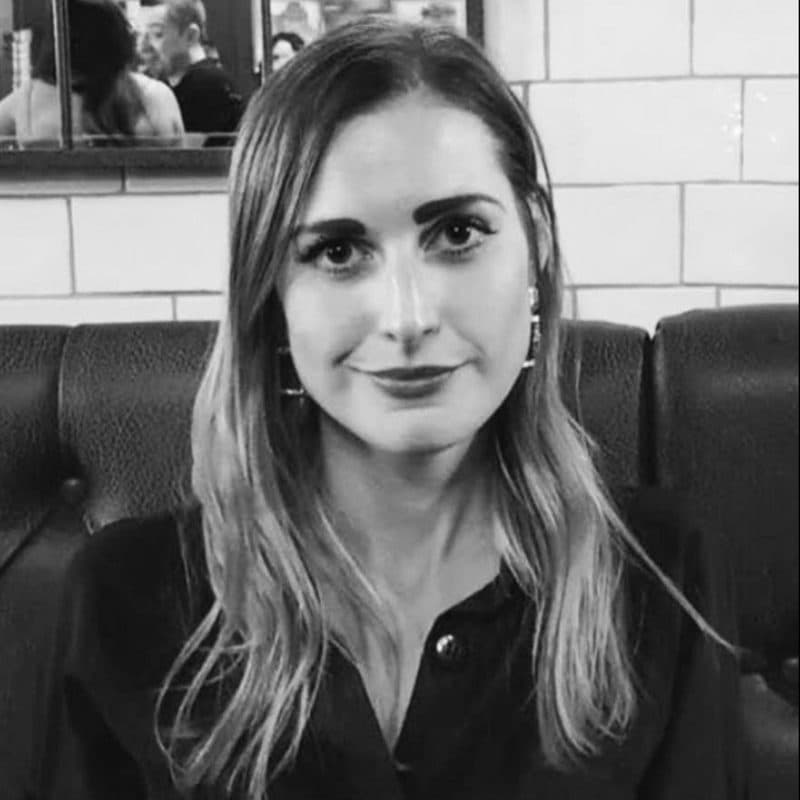
Sarah Sinclair
Editor, Cannabis Health
Call for speakers
Are you a clinician, researcher or specialist who’d like to present? We’re inviting speaker applications for the programme — tell us about your session.
Partners



Partner with us
Interested in sponsoring or partnering with the Cannabis Health Symposium? Register your interest and our team will be in touch about the opportunities.
Included: 12 months' free MCCS membership — worth up to £120
Secure your place — checkout is handled securely via Eventbrite.
Healthcare professional?
Get symposium updates
A round-up of the latest science, regulation and developments across the UK and Europe — in your inbox every week.