News
Ireland Becomes Latest Country to Ban HHC, Citing Mental Health Concerns
Ministers raised concerns related to the growing use among young people and potential risks to mental health.
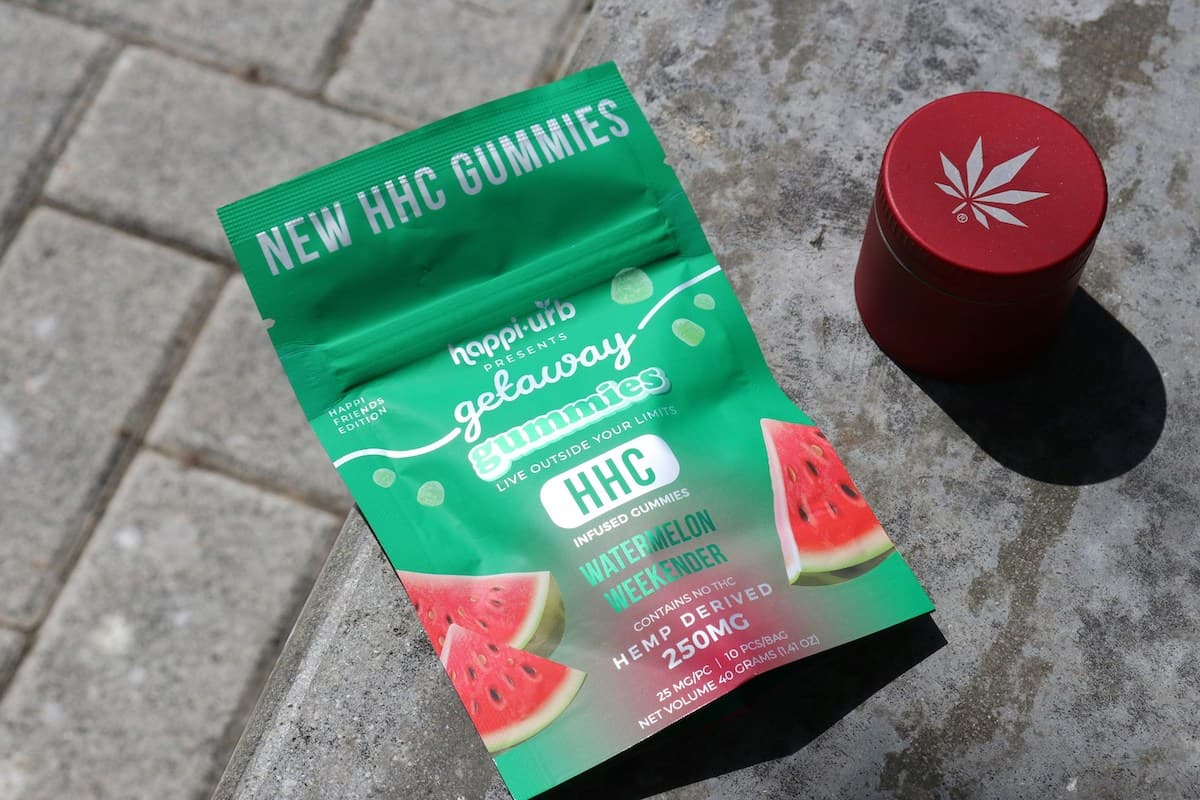
Ireland has become the latest jurisdiction to ban the use of the semi-synthetic cannabinoid HHC, with ministers raising concerns related to growing use among young people and risks to mental health.
The decision, announced by the Department of Health on 29 July, sees Hexahydrocannabinol (HHC) classified as a Schedule 1 controlled drug under the Misuse of Drugs Act 1977, meaning the import, export, production, possession, sale, and supply of HHC products is now illegal in the country.
HHC, a semi-synthetic cannabinoid which produces similar effects to delta-9 THC, was first identified in Ireland along with other European countries in 2022 and has been commonly found in e-cigarettes or vape pens, in herbal mixtures, oils, edibles and tinctures.
It’s one of 14 new substances, including synthetic opioids and semi-synthetic cannabinoids that have been newly classified as controlled drugs, following their identification by the EU and by the UN Commission for Narcotic Drugs (CND) as posing a serious risk to public health. Earlier this year, the UN CND voted almost unanimously to place HHC under Schedule II of the 1971 Convention.
According to the European Web Survey on Drugs 2024, which was updated in February, synthetic cannabinoids are now the joint seventh most used drug in the EU, alongside Ketamine, with 14% of the 61,732 respondents stating they had used them in the last 12 months.
Ireland now joins a growing number of European countries – including Sweden, Austria, France, and Belgium – that have taken legislative steps against HHC, signalling a continent-wide shift in the regulation of novel cannabinoids.
Mental health concerns
Ministers in Ireland specifically highlighted concerns around the use of HHC among young people and links to psychosis and other mental health concerns.
Over the last three years HHC has been linked to episodes of psychosis and hospitalisation, with a recent study by researchers at University Hospital Galway finding it was the second most common drug used by patients presenting with psychosis over a 21-month period.
Minister for Mental Health, Mary Butler said that this was “clear evidence” of the “serious harm” the drug can cause.
“Classifying HHC as a Schedule 1 controlled drug will curtail its availability and reduce its health impact, particularly on the mental health of younger people,” she said in a statement.
“Measures like this are essential to easing the pressure on our mental health services and protecting individuals, especially those unaware of the risks, from avoidable and significant harm.”
Minister of Public Health, Jennifer Murnane O’Connor added: “HHC, like other synthetic and semi-synthetic drugs, is a grave threat to public health. Controlling HHC and other harmful substances is an important step that must be complemented by education and prevention programmes so that young people and parents are better informed about the risks associated with drug use.”
Addressing Ireland’s wider drugs strategy
The Department of Health recently published an independent evaluation of the country’s existing National Drug Strategy, while a steering group has been established to develop a draft successor strategy by the end of the year. This is expected to be informed by the Citizens’ Assembly on Drug Use which took place in 2023, and recommended decriminalising cannabis for personal use, a move which was later supported in a report by the Oireachtas Joint Committee on Drugs Use.
Health Minister Jennifer Carroll MacNeill, commented: “Under the successor national drugs strategy, I’m committed to reviewing legal avenues to respond faster and more effectively to emerging threats from the volatile drugs market. In line with our health-led approach to drug use, our priority is to advance measures that enable us to protect and support the health of our population.”
Prohibitive drug policies – a “proven failure”
However, the move to ban HHC has been criticised by some drug policy advocates, who say it is “out of date”, with new synthetic cannabinoids already being found on the market.
In a LinkedIn post, Peter Reynolds, founder of the drugs policy reform group, CLEAR, argued that prohibitive drug policies only increase the potential harms and urged the government to adopt the recommendations of the Citizens Assembly and subsequent Oireachtas committees.
“Ireland’s political leaders are locked in a 50 year old mindset on drugs policy that is a proven failure,” Reynolds writes.
“Prohibition is proven to increase harm of both of the drugs themselves and the criminal market through which they are distributed… inevitably increasing violence, debt intimidation and underage use.”
Get the weekly briefing
A round-up of the latest science, regulation and developments across the UK and Europe — in your inbox every week.