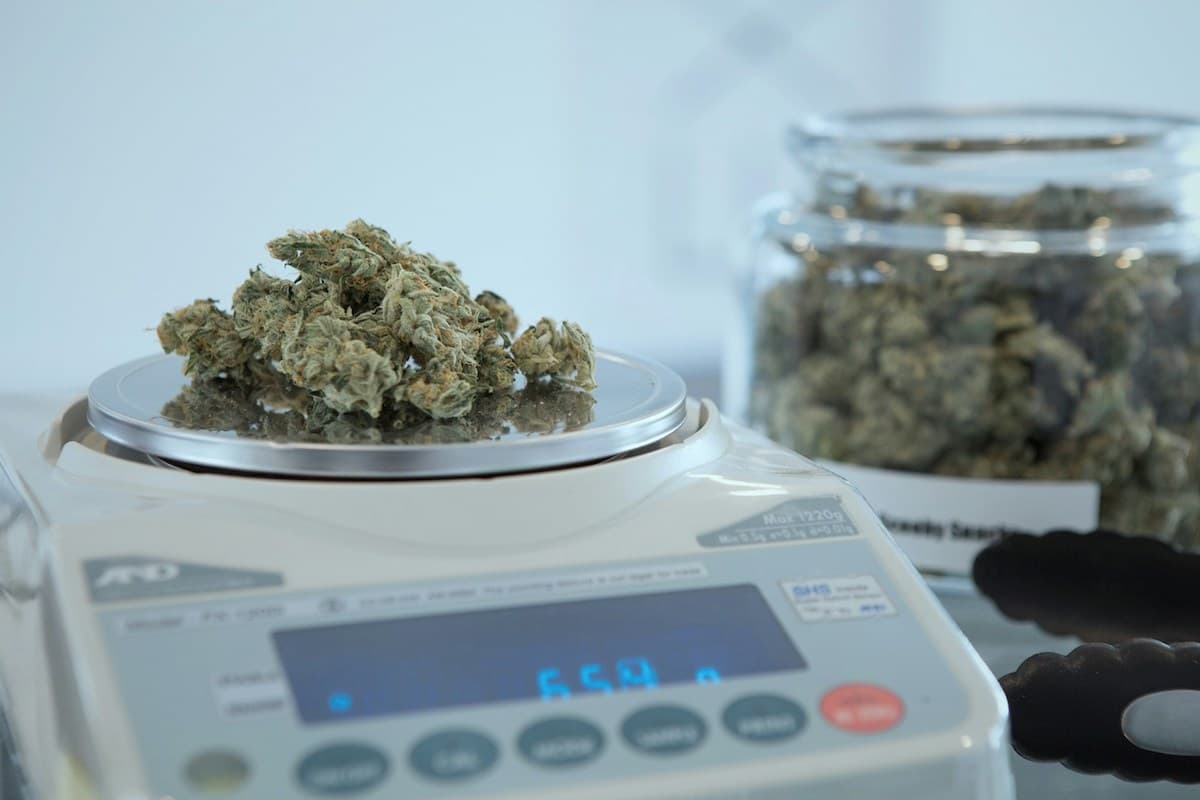
Medical Cannabis in the Workplace: an Employer’s Guide to Testing, Safety and Rights
As more people in the UK access prescribed cannabis-based medicines, employers are facing questions around drug testing, workplace safety and employee rights.

Contributor
Sarah Sinclair is an award-winning freelance journalist covering health, drug policy and social affairs. She is one of the few UK reporters specialising in medical cannabis policy and as the former editor of Cannabis Health has covered developments in the European cannabis sector extensively, with a focus on patients and consumers. She continues to report on cannabis-related health and policy for Forbes, Cannabis Health and Business of Cannabis and has written for The i Paper, Byline Times, The Lead, Positive News, Leafie & others. Sarah has an NCTJ accreditation and an MA in Journalism from the University of Sunderland and has completed additional specialist training through the Medical Cannabis Clinicians Society in the UK. She has spoken at leading industry events such as Cannabis Europa.

As more people in the UK access prescribed cannabis-based medicines, employers are facing questions around drug testing, workplace safety and employee rights.
Endometriosis affects an estimated 190 million people worldwide, and gaps in care are leading to an increased interest in cannabis-based medicines. What do we know about how these might help, and does the science support it?
More women are exploring medical cannabis to manage symptoms such as sleep disturbances, anxiety, and chronic pain during the menopause.
The endocannabinoid system (ECS) plays an important role in bodily function. Here, we unpack the science that is often missing from medical school curricula.
The association between cannabis and psychosis is among the most studied — and most contested — areas of cannabinoid medicine.
Anxiety is one of the most common conditions for which medical cannabis is prescribed in the UK, but the evidence base remains mixed.
Medical cannabis costs can vary quite significantly in the UK depending on the provider, prescribed medication and clinic fees.
Medical cannabis can be prescribed on the NHS in the UK, but access is extremely limited.
Devon Partnership NHS Trust has approved procedures for patients to continue taking their prescribed cannabis-based medications while in hospital.
The CBD manufacturer has received a draft positive scientific opinion from EFSA on its Novel Food application.
Two years on from the legalisation of medical cannabis in Ukraine, patients have received the first legal prescriptions for cannabis-based medicines.
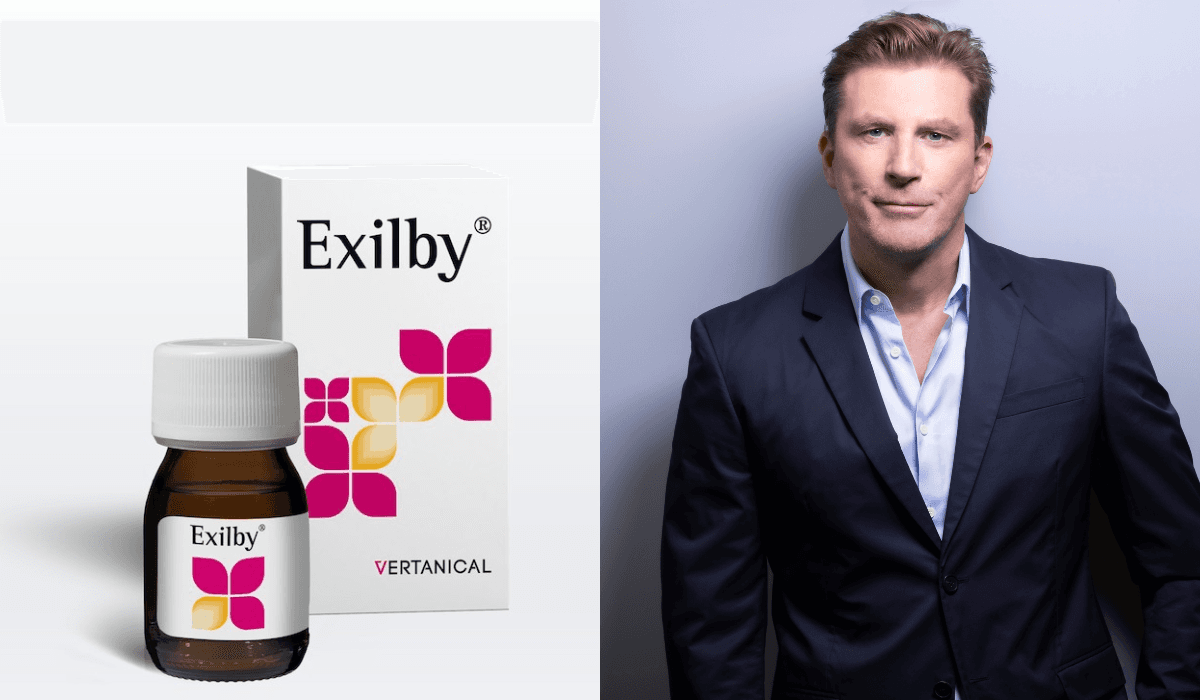
Exilby® has received market authorisation in Germany and Austria, with UK approval expected by the end of the year.
Clinicians, scientists and patients explored whether medical cannabis could help address longstanding inequalities in women’s health.
Inspectors found breaches in care, governance, and oversight at a private medical cannabis clinic.
The death of Patrick Navarro has reignited concerns over discrimination in transplant eligibility.
The party has passed a motion that aims to protect patients from discrimination related to their use of prescribed cannabis medicines.
A new campaign is calling for urgent regulatory changes to how medical cannabis is prescribed to psychiatric patients in the UK.
The Hannah Deacon Campaign is calling on the government to support children unable to access medical cannabis on the NHS.
The case highlights the need for clear and consistent guidance on driving when prescribed medical cannabis.
Early findings on the impact of the partial legalisation of cannabis suggest no short-term spike in consumption or drug-driving.
FOD is thought to affect an estimated 41% of women, but experts say it has been historically under-treated.
A previously unrecognised form of reporting bias may be skewing how research on medical cannabis is presented.
A balanced CBD and THC cannabis flower was found to be more effective for treating acute migraine symptoms than a placebo.
Researchers say the new thresholds – modelled on alcohol units – could help people avoid potentially harmful consumption.