News
German Researchers Publish Findings on Short-Term Effects of Cannabis Laws
Early findings on the impact of the partial legalisation of cannabis suggest no short-term spike in consumption or drug-driving.
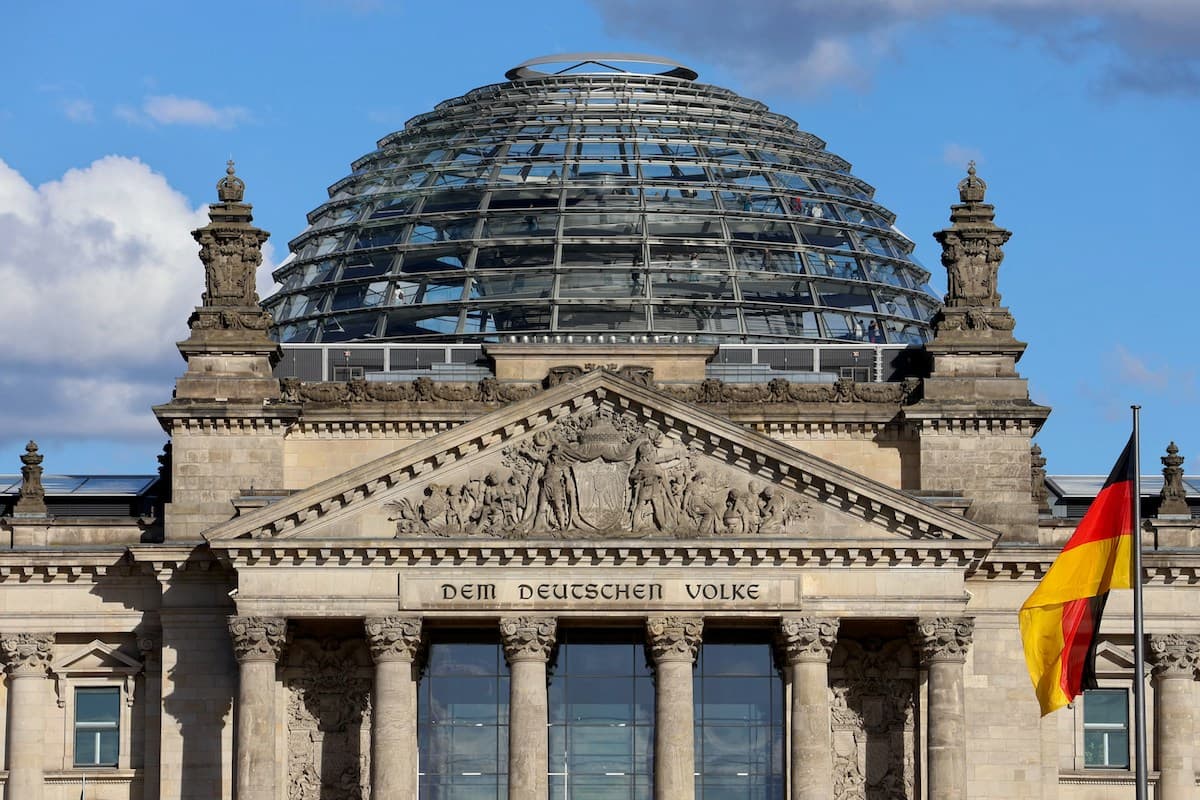
Early findings examining the impact of the partial legalisation of cannabis in Germany suggest no short-term spike in consumption or related driving offences, alongside a sharp drop in prosecutions.
Researchers at the University Medical Center Hamburg-Eppendorf (UKE) in Germany have investigated the short-term effects of the partial legalisation of cannabis for adults.
In April 2024, the CanG Act came into force in Germany, permitting the limited cultivation and possession of cannabis for adult-use.
Following this a new legal limit of 3.5 nanograms of THC per millilitre of blood serum for driving purposes was established in August 2024.
The study, published in the journal The Lancet Regional Health – Europe, is said to be the first to evaluate the short-term impact of cannabis legalisation in Germany on both use and driving under the influence of cannabis.
The research team found no significant changes in cannabis use or incidences of driving under the influence of cannabis in the eight months after the changes were introduced, compared to the period before the law was amended.
The study was based on data from a population survey conducted in Germany and Austria before and after partial legalisation, although cannabis possession remains illegal in Austria.
‘No short-term impact’
According to the study, cannabis use among 18- to 64-year-olds in Germany increased from 12.1 to 14.4%, but this increase was comparable in Austria despite the prohibition.
Among people who consumed cannabis at least once a month, slightly fewer people in Germany drove under the influence of cannabis than before legalisation came into effect, and before a new blood THC (tetrahydrocannabinol) limit was established for driving. Again, the researchers found no significant difference compared to Austria.
In approximately 22% of cases, driving under the influence of cannabis, alcohol, or other substances were also consumed. While such mixed-use driving incidents were primarily attributed to weekly users, driving under the influence of cannabis alone was most frequent among daily users.
“Overall, this study found no short-term impact on cannabis use or DUIC after legalisation of cannabis in Germany,” the researchers conclude.
“Further studies with longer observation periods and other data, most importantly MVC involving substance use and toxicological information, are required to monitor the long-term implications of the law.”
Early findings from Germany’s EKOCAN evaluation
The EKOCAN research project, which is funded by Germany’s Federal Ministry of Health (BMG), is conducting an independent scientific evaluation on the effects of CanG on child and youth protection, public health, and cannabis-related crime.
Preliminary findings, published at the end of 2025, also found that in the first year of legalisation, the number of adolescent or adult cannabis users had not changed significantly.
Dr Jakob Manthey, EKOCAN coordinator and head of a research group at the Center for Interdisciplinary Addiction Research at the University Medical Center Hamburg-Eppendorf, explained: “The available data indicate that, following partial legalisation in 2024, the number of cannabis users and the extent of health problems related to cannabis use have changed very little in the short term.”
Cannabis use among adolescents has been decreasing since 2019, and this decline appears to be continuing despite the change in legislation.
Professor Dr Daniel Kotz (head of the Addiction Research and Clinical Epidemiology unit at the University Medical Center Düsseldorf) added: “The data available so far also shows that the declining trend in the proportion of adolescents who consume cannabis has continued even after partial legalisation.”
Fall in cannabis-related offences
At the same time, police-recorded cannabis offences are reported to have fallen by 60–80%. The German Police Crime Statistics for 2024 reported 100,000 fewer criminal cases in this area compared to the previous year, with low-level consumers no longer being prosecuted under criminal law.
Professor Dr Jörg Kinzig, Director of the Institute of Criminology at the University of Tübingen, commented: “What we can already say is that the partial legalisation of cannabis represents the most significant quantitative decriminalisation in the history of the Federal Republic of Germany. In 2024, police recorded more than 100,000 fewer cannabis-related cases than in the previous year.”
However, Kinzig notes that additional data and a longer observation period are needed to assess in detail how the law change affects organised crime and the practices of police and the justice system.
The interim report incorporated information from 12 surveys and 20 routine data sources. The findings also shed more light on the effects of the law on market dynamics.
Medical cannabis accounted for approximately 12 to 14% of total cannabis demand, with cultivation associations producing less than 0.1% of the required amount.
The report states that associations have so far made ‘no relevant contribution’ to the reduction of the illegal market as was intended.
Get the weekly briefing
A round-up of the latest science, regulation and developments across the UK and Europe — in your inbox every week.