Industry
UK Epilepsy Patients Confirm Six-Month Supply of Live-Saving Bedrocan Drug, But Future Supply Still Uncertain
Families of patients with treatment-resistant epilepsy in the UK have received confirmation from a UK drug manufacturer that a six-month supply of Bedrolite is available. In an email sent to […]
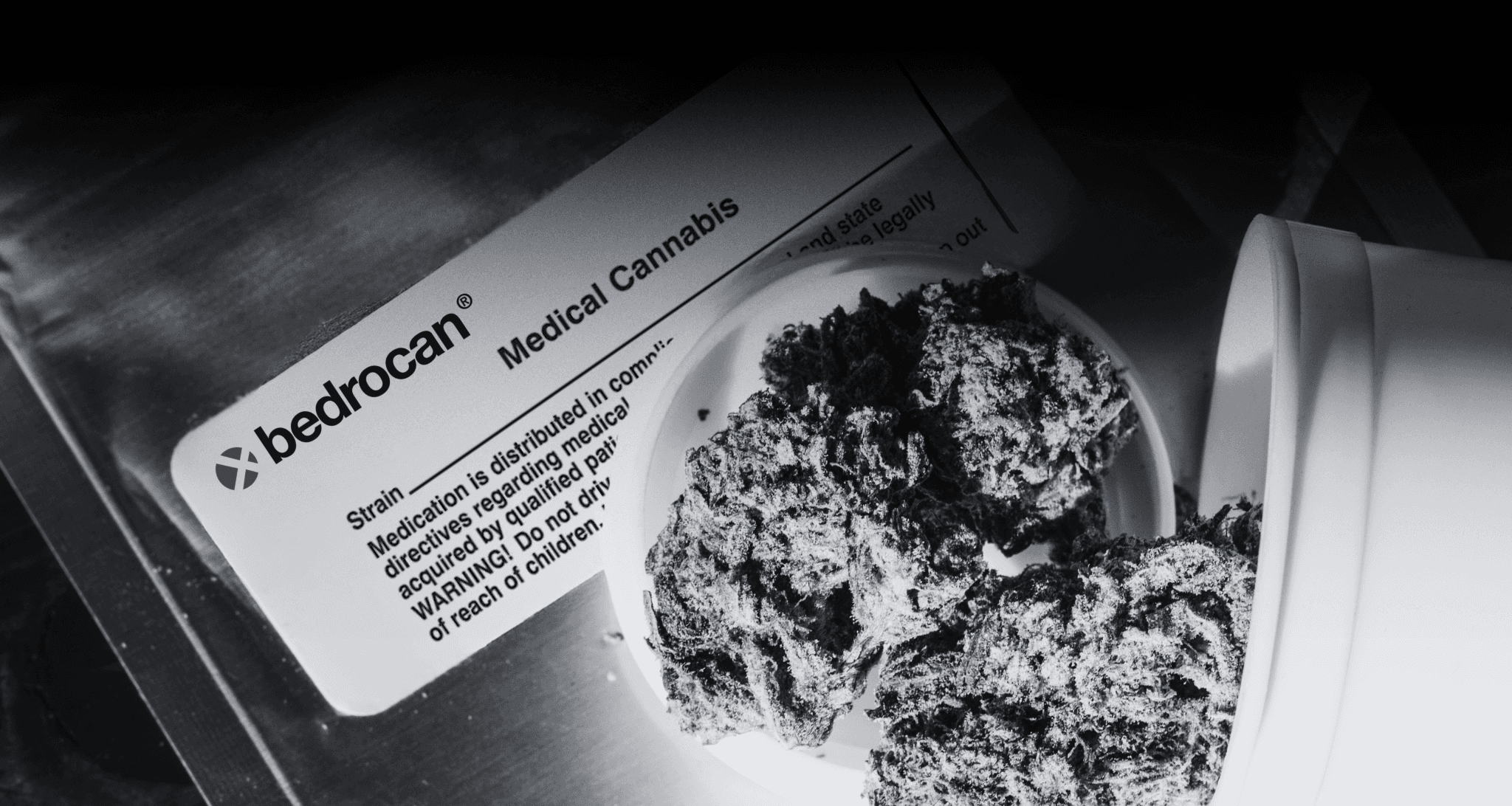
Families of patients with treatment-resistant epilepsy in the UK have received confirmation from a UK drug manufacturer that a six-month supply of Bedrolite is available.
In an email sent to families this week, seen by Cannabis Health, Target Healthcare said that its team “have confirmed that they currently have enough stock for the next six months, which can hopefully provide … some stability into next year.”
While this will provide a welcome buffer and prevent a potentially life-threatening supply cliff edge, the long-term future of Bedrocan’s high-CBD cannabis oil remains uncertain following the bankruptcy of Dutch producer.
Target, which stepped in to produce Bedrolite oil from its Glasgow facility in 2022 following a similar supply disruption after Brexit, said it is “still in active ongoing discussions with Bedrocan and other organisations to be able to establish and move towards a future plan.”
It comes as the families of what is thought to be seven UK patients, including children with severe epilepsy, are calling for urgent intervention from the UK and Dutch governments to secure supplies of the medical cannabis oil.
Three patients receiving NHS prescriptions are also expected to continue accessing their medication through the Transvaal pharmacy in the Netherlands for now, but the picture also remains uncertain after stockpiles have run out.
Calls for emergency government intervention
The issue was raised in Parliament on 15 October by Rachel Blake, Labour MP for Cities of London and Westminster on behalf of her constituent and his family, who are “deeply concerned” about what will happen when his medication runs out in December.
Blake has also written to the current Health Secretary, Yvette Cooper, and the minister responsible, and asked for the relevant parts of government to work together to resolve the issue.
“For many, having access withdrawn would mean a future in palliative care,” Blake writes.
“It is a clinically supervised medicine used when conventional treatments have failed. Any disruption to supply can have serious consequences for patients who depend upon consistency of formulation to manage debilitating and life-limiting conditions.”
The letter is co-signed by other MPs, including Labour MP for Gower, Tonia Antoniazzi, who is Co-Chair of the All-Party Parliamentary Group on Medical Cannabis Under Prescription.
Antoniazzi told Cannabis Health it would continue to press for “swift action to protect patients and safeguard access to clinically prescribed treatments”.
“The immediate priority must be to ensure that existing stocks of medication are released and that patients experience no break in access to their treatment,” she said.
“We have written to the Health Secretary urging that the UK and Dutch governments work together to find an urgent solution.”
Cannabis Health and Business of Cannabis have written to both the UK Home Office and the Dutch government regarding ongoing talks but have received no response at the time of publication.
Why Bedrocan supplies are at risk
Bedrocan Nederland B.V. and Bedrocan International B.V. were declared bankrupt in the Netherlands earlier this month, following the end of the company’s longstanding supply arrangement with the Dutch Office of Medicinal Cannabis (OMC) and delays to planned regulatory changes.
In correspondence with Cannabis Health‘s sister publication, Business of Cannabis, Bedrocan’s head of corporate and marketing, Femke Starrenburg, said attempts to reach an agreement with the Dutch Ministry of Health, Welfare and Sport (VWS) over remaining medicinal cannabis batches had been unsuccessful.
“During the suspension of payments procedure, the administrators worked extensively to find a solution that would allow the Dutch operations to continue,” she said.
“Unfortunately, no agreement could be reached with the Dutch Ministry of Health regarding the payment and transfer of the remaining medicinal cannabis batches. Without such an agreement, the financing required could not be secured, making bankruptcy unavoidable.”
Dutch authorities have indicated that existing stocks should be sufficient to continue supplying patients within the Netherlands until at least mid-2027. However, these stocks are currently intended for domestic supply.
Prior to Target’s confirmation of a six-month stockpile, the Medical Cannabis Clinicians Society (MCCS) wrote to the Prime Minister and Health Secretary Yvette Cooper calling for a temporary arrangement with the Dutch authorities to release OMC-held stock and establish emergency supplies.
The Medcan Family Foundation also appealed directly to the Dutch VWS and the OMC for a time-limited humanitarian allocation.
“For these children, switching treatment is not a simple substitution. Years of careful clinical management can be required to achieve stability, and changing products may put that stability at risk,” Matt Hughes, co-founder of the foundation, said.
“We are asking the Dutch authorities to consider a targeted, time-limited humanitarian allocation while sustainable supply routes are restored, without compromising the needs of Dutch patients.”
‘Living in fear’ as epilepsy medication runs low
Emma Matthews, whose son Louis Petit, 23, relies on Bedrolite to manage seizures caused by a rare form of epilepsy, says they are “living in fear” knowing they only have a “few weeks” of medication left.
“Louis is fully aware of the risk to his life if he can’t access Bedrolite,” Matthews told Cannabis Health.
“Why should a young person of only 23 have to live with this extreme anxiety? We need to know that the Dutch government is working with the UK government to make sure he can continue to access the only medication that all his neurologists say he needs to stay well.”
Louis began having seizures at age 13 and was eventually diagnosed with an extremely rare form of genetic epilepsy. He is thought to be the only known person in the world with a rare genetic variant on both copies of the NPAS4 gene.
After spending the majority of his teenage years in hospital, unable to communicate and form new memories, the family moved to the Netherlands in 2018, where Louis was prescribed Bedrolite.
Since 2020, he has been seizure-free while taking Bedrolite in combination with anti-seizure medications.
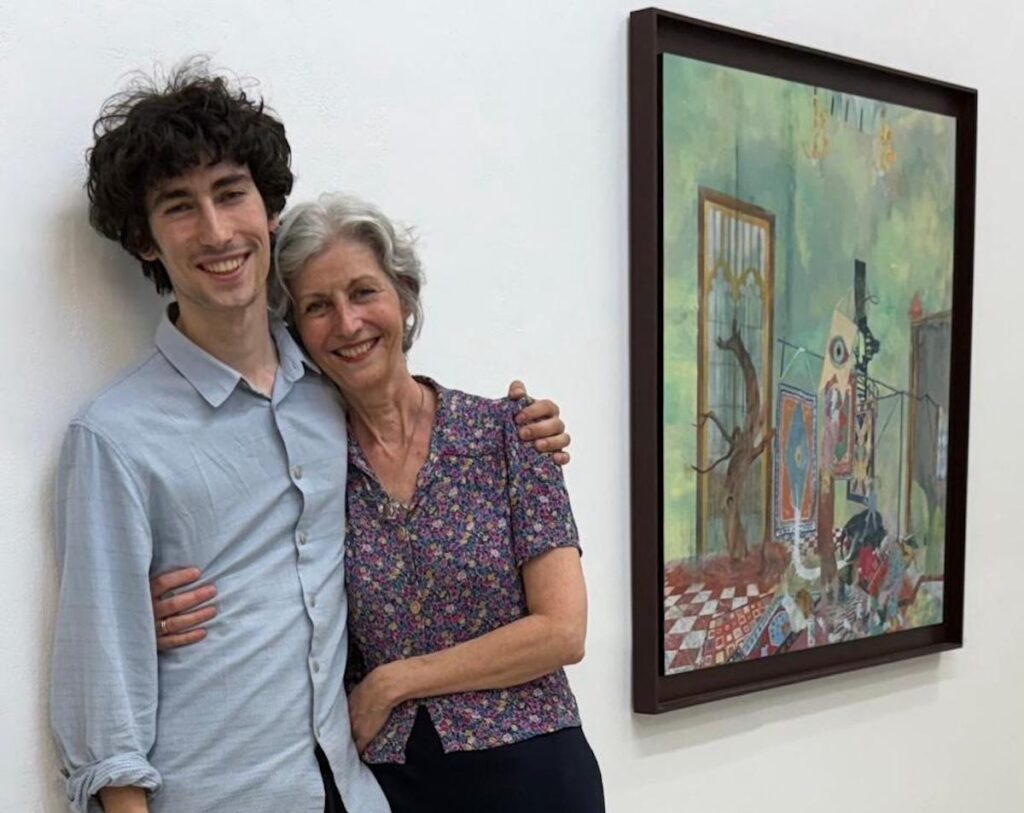
Louis Petit with his mother, Emma Matthews
Last year he graduated with a first from City & Guilds of London Art School and is establishing himself as a promising young artist, exploring his experiences of living with epilepsy through his work.
Louis recently moved out and is living independently, but Matthews says receiving this news has been “mental torture” for him.
“He’s so happy to be living independently, selling his paintings, and doing amazingly, to suddenly be told you might have just eight weeks left to live. It’s like being on death row,” she said.
Emma spoke to Cannabis Health on Wednesday, 21 October, which also marks SUDEP Action Day, an annual awareness campaign highlighting sudden unexpected death in epilepsy.
“People don’t understand how dangerous it is to withdraw a drug that’s working,” she explained.
“We can’t just swap oils. It would be like swapping from one anti-epileptic medication to another and risking losing seizure control.”
Matthew’s adds: “There are young lives at risk; that’s not an exaggeration. In the UK, 21 people die every week of epilepsy-related causes, including SUDEP.”
Louis’s neurologist has made several attempts to secure an Individual Funding Request (IFR) for an NHS prescription for Bedrolite, as previously reported by Cannabis Health in 2022. The most recent request, in January 2026, was unsuccessful on the grounds that Louis was not “clinically exceptional”.
Echoes of the post-Brexit supply crisis
Some have likened the situation to the supply crisis faced by families following Brexit, when British prescriptions lost legal recognition in EU member states at the end of the transition period in December 2020.
In January 2021, Dutch authorities introduced a temporary exemption allowing pharmacies, including Transvaal Apotheek, to continue dispensing and exporting cannabis oils against UK prescriptions until July of that year.
Bedrocan founder and former chairman Tjalling Erkelens has called for a similar intervention to address the current situation.
He expressed confidence that Dutch authorities could respond in a similar way, arguing that continuity of patient care should take priority when regulatory changes threaten access to established treatments.
“This six-month window prevented acute clinical emergencies, buying the UK government and importers the crucial time required to establish viable domestic supply routes and import frameworks,” he wrote in a post on LinkedIn.
“Cross-border pharmaceutical and botanical supply chains do not exist in a theoretical vacuum. When international trade rules shift overnight, patient safety must remain the non-negotiable benchmark guiding regulatory policy.”
Although NHS prescriptions will continue to be supplied through the Transvaal pharmacy, the 2021 exemption no longer applies to private prescriptions.
UK solution depends on Dutch supplies
Both private and NHS patients face uncertainty around the ongoing supply of Bedrolite in the longer term, as it is not yet being grown at Bedrocan’s Danish facility.
Once Target’s stockpiles are diminished, the company will still require a licence from the Dutch OMC in order to export the plant material needed to continue production.
In an open letter to the Prime Minister, Joanne Griffiths, of the campaign group End Our Pain, called on the Prime Minister to speak directly with the Dutch Government to resolve any “regulatory barriers, facilitate the release of the remaining Bedrocan stocks to the UK, and establish a sustainable supply arrangement”.
“These are not medicines that can simply be substituted with another cannabis strain,” writes Griffiths, whose son Ben is one of the children affected.
“Children like my son Ben have achieved life-changing seizure control with these specific oils. Losing access risks serious deterioration and potentially life-threatening seizures.”
Cannabis Health understands that the UK embassy in the Netherlands is in discussions with the Dutch Ministry of Health.
Get the weekly briefing
A round-up of the latest science, regulation and developments across the UK and Europe — in your inbox every week.