Comment
Medical Cannabis and the Menstrual Cycle — Are We Overlooking Potential Implications for Prescribing?
Nicole Farah reflects on how much we’re still learning about the relationship between hormones, the endocannabinoid system (ECS) and cannabis-based medicines.
By Nicole Farah
Should a woman’s menstrual cycle be taken into consideration when prescribing medical cannabis?
It’s a question that came up during Women’s Circle 2.0 in Somerset this past weekend, and one that I found interesting given how much we’re still learning about the relationship between hormones, the endocannabinoid system (ECS) and cannabis-based medicines (CBPMs).
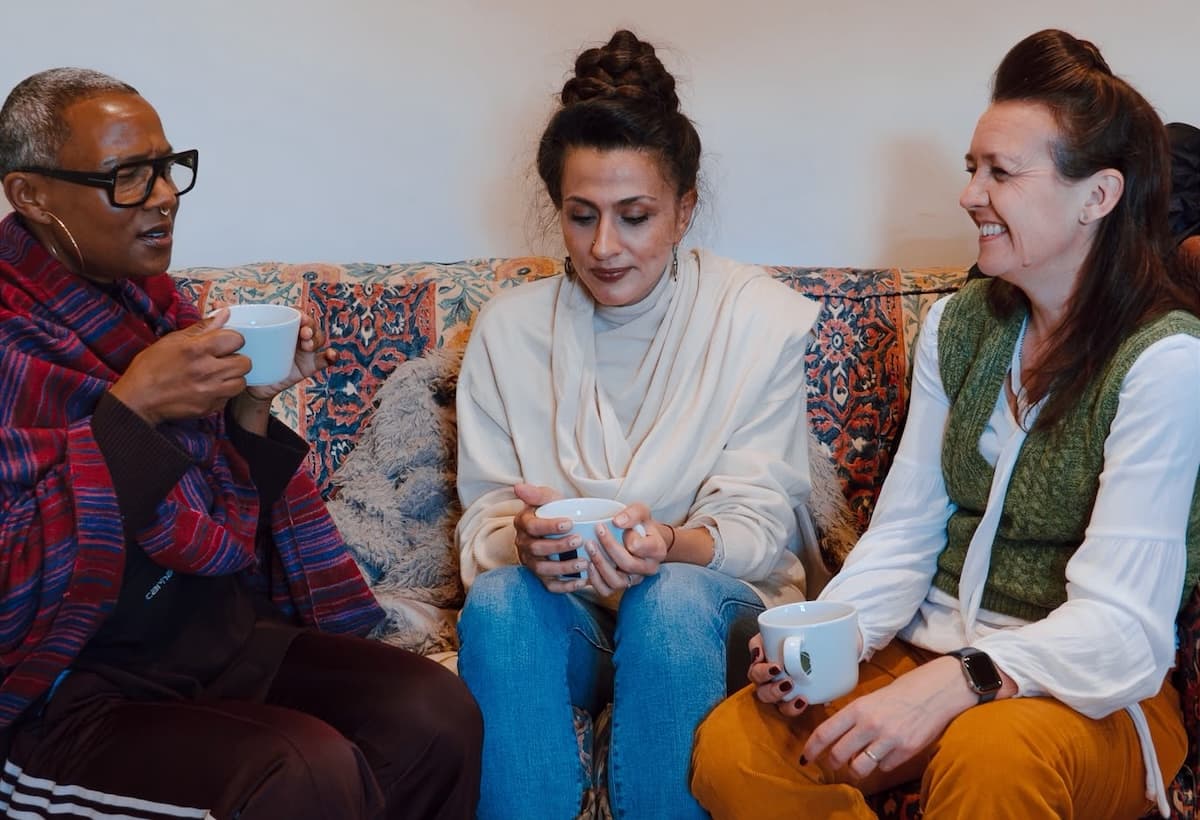
The two-day event, founded by Sophie East, brought together women from across the UK, including patients, medical cannabis advocates and healthcare professionals, for a weekend focused on women’s cycles and plant medicine.
“Seeing Women’s Circle 2.0 in full flow was a real dream come true,” Sophie shared. “What started as an idea in my heart has grown into a beautiful community of women connecting, sharing, learning and lifting each other up.”
Throughout the weekend, we explored menstrual health, plant nutrition, fitness, and the potential role of medical cannabis in managing symptoms associated with women’s health conditions.
And while there was plenty to take away, one thing became particularly clear; we still have a lot of questions that need answering, and a number of conditions that need a lot more attention.
Understanding the endocannabinoid system
One of the most interesting sessions came from Dr. Shabnam Sarshar, who discussed the endocannabinoid system (ECS) and its role throughout the female lifecycle.
The ECS is involved in regulating a number of physiological processes, and research has identified links between endocannabinoid signalling and reproductive health.
Dr. Sarshar explored these relationships, including the role of anandamide, a naturally occurring endocannabinoid involved in reproductive processes.
I found learning more about how the ECS interacts with female physiology, particularly considering how much attention the system receives within medical cannabis research more broadly, really opened my eyes to what else we could be exploring from a medical research perspective.
Of course, understanding the ECS doesn’t automatically mean cannabis medicines can treat reproductive conditions. But it does highlight an area where further research could be valuable.

Sophie East, founder, Women’s Circle
What treatment options are available?
We also heard from Agnes Mabina of Cantourage Clinic, who walked us through the different CBPMs available to patients in the UK.
Her presentation covered licensed and unlicensed medicines, the differences between formulations and how these can affect the way cannabinoids are absorbed and experienced.
Dried flower accounts for a significant proportion of the UK medical cannabis market, but patients can also access other formulations, including oils, sprays, capsules, pastilles and suppositories, depending on patients’ clinical needs.
Agnes also discussed endometriosis and the potential role of medical cannabis in managing associated symptoms.
For those living with the condition, symptoms can extend far beyond painful periods. Chronic pelvic pain, nausea, bowel problems, disrupted sleep and anxiety can all have a significant impact on quality of life.
There’s growing interest in whether medical cannabis could help patients manage some of these symptoms, although the clinical evidence remains limited and it is not currently an established first-line treatment.
Should prescribing change throughout the month?
During a roundtable discussion, I raised the point that women generally aren’t prescribed different cannabinoid strengths or doses based on where they are in their menstrual cycle. This led to a wider conversation about whether that should be something we investigate.
We know that hormonal changes can influence how women experience pain, mood and other symptoms throughout the month.
Conditions such as PMS and PMDD are associated with sensitivity to hormonal fluctuations, whilst women living with endometriosis may experience changes in symptom severity across their cycle.
What I wanted to know was: could those fluctuations also influence how someone responds to medical cannabis? At the moment, we simply don’t have enough evidence to say whether or not.
There’s no established clinical guidance supporting routine adjustments to cannabis prescriptions based on menstrual phase, and patients should always discuss any medication changes with their prescriber.
But I do think it’s an interesting question, particularly as the medical cannabis sector continues to develop and conversations around individualised treatment become more prominent.

The importance of patient perspectives
Something else I appreciated about the weekend was the opportunity to hear directly from women navigating their own health conditions.
Medical cannabis patient Nicola Stevenson described how the experience helped her find the confidence to speak up.
“After years of trying, I finally found my voice, I learnt to ask questions and the confidence to take up space,” she said.
Elizabeth Spence, medical cannabis advocate and UK lead for the Women’s Cannabis Project, also highlighted the importance of creating spaces where women feel comfortable discussing their health.
“I learned that a woman’s power and strength lies in community, that women talking openly about their menstrual cycles is female empowerment.”
The discussions with these women really stood out to me because patient education isn’t just about understanding the medication prescribed to them. It’s more about feeling confident enough to ask questions and feel like you’re having meaningful, beneficial conversations with your healthcare professional.
Where do we go from here?
I came away from Women’s Circle 2.0 feeling encouraged by the conversations taking place, but also aware of how much research is still needed.
We need to better understand how female hormones interact with the ECS, whether hormonal fluctuations influence cannabinoid treatment responses, and how medical cannabis might fit into the management of certain women’s health conditions.
That doesn’t necessarily mean assuming medical cannabis is the answer. It means asking the questions and conducting the research needed to find out where, if anywhere, it could offer meaningful benefits.
For me, the weekend reinforced just how important it is that women are included in these conversations, both as patients and as contributors to future research.
Because if we’re serious about improving access to individualised care, women’s health needs to be part of those discussions.

Nicole Farah is the Founder and Managing Director of Americana Communications, an award-winning PR and events agency specialising in emerging markets. With more than 10 years of integrated experience across global PR, internal communications, investor relations, brand partnerships, and strategic communications, Nicole has worked with clients spanning both B2B and B2C sectors, including cannabis/CBD, regenerative agriculture, consumer wellness, nonprofit organizations, clothing and accessories, and homewares.
Get the weekly briefing
A round-up of the latest science, regulation and developments across the UK and Europe — in your inbox every week.