Health
Medical Cannabis Campaigner Launches Group for Patients Denied NHS Funding
Campaigner Lara Smith is bringing patients together to challenge a “cruel” system she says leaves them struggling to afford “life-changing” treatment.
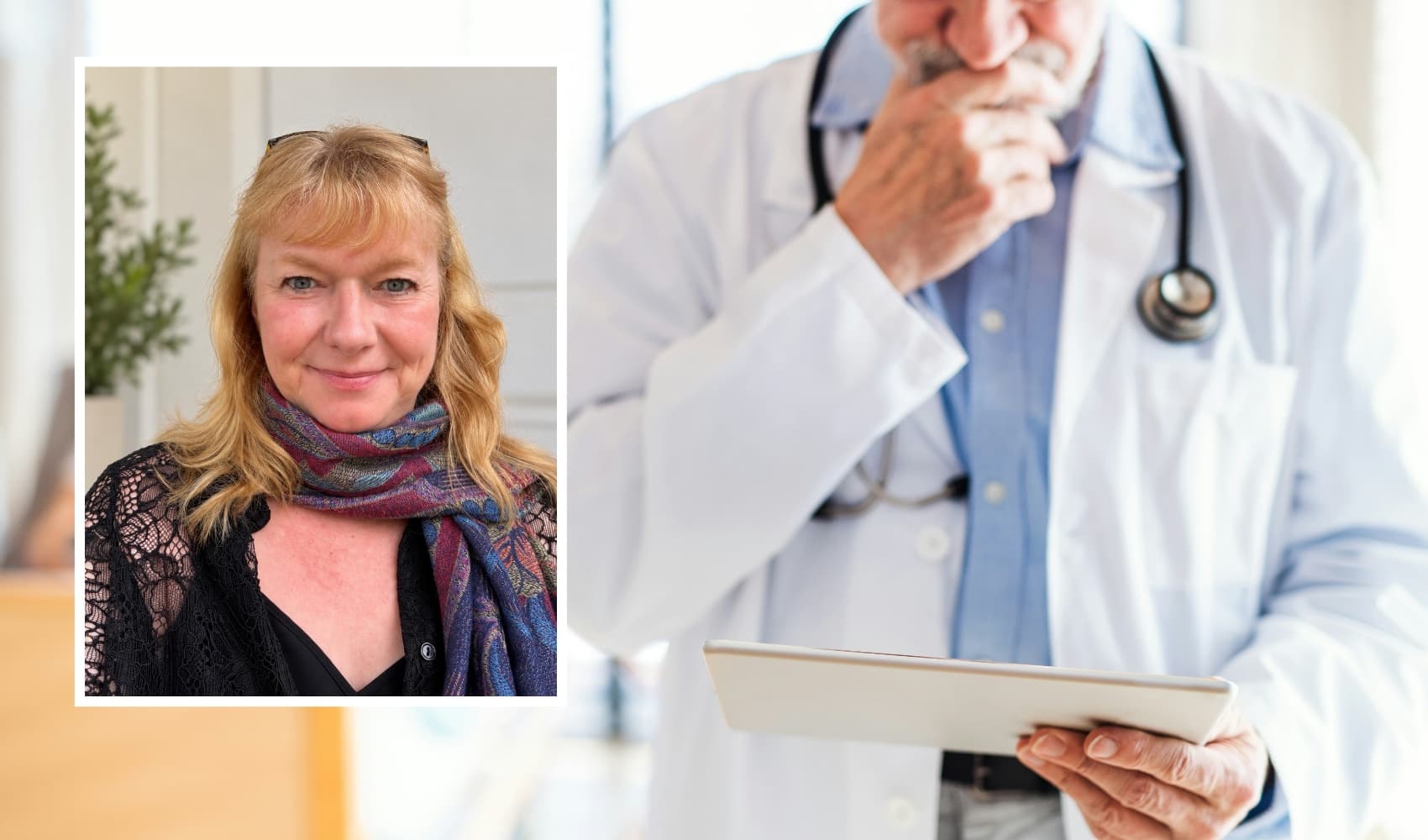
Medical cannabis patients who have been refused NHS funding are being urged to share their experiences as part of a new campaign calling for better access to treatment.
The campaign is being led by Lara Smith, a former paediatric nurse from Newcastle, who said doctors had made three unsuccessful attempts to get the NHS to pay for her cannabis since 2014.
The 53-year-old mum-of-three lives with cervical myelopathy, which causes severe nerve pain, muscle spasms, tremors and mobility problems.
After trying more than 35 different medicines, many of which failed to control her symptoms or caused serious side effects, Smith said cannabis had made a “life-changing” difference.
But she is still paying around £600 a month for CBD oil and prescribed cannabis flower.
Smith is particularly concerned about patients who have tried all the licensed medicines available to them without success, but are still unable to get NHS funding for cannabis despite their consultants believing it could help.

Lara Smith is bringing together patients who have been refused NHS funding for medical cannabis. (Courtesy of Lara Smith)
She stressed that she was not calling for the NHS to pay for every cannabis prescription, but questioned why patients with an “unmet clinical need” were being refused treatment after other options had failed.
The current system, she argues, leaves some patients facing a choice between paying hundreds of pounds privately, going without treatment that could help them or turning to the illegal market.
Smith described the situation as “incredibly cruel”.
“I’m not spending £600 on flower and CBD oil to get stoned,” she told Cannabis Health. “It’s a clinical need. It is literally for pain relief.”
She has now launched the Facebook group Medical Cannabis – NHS Access Denied to bring together patients who have encountered similar problems.
By comparing their experiences, she hopes to establish why attempts to get NHS funding are failing and use the findings to press the government for change.
“Where are the common factors? Where is the blockage?” she asked.
Medical cannabis has been legal on prescription in the UK since November 2018, following years of campaigning by patients and families.
The change allowed specialist doctors to prescribe cannabis-based medicines that had previously been tightly restricted under UK drug laws.
However, it did not mean the NHS would routinely pay for them.
As Cannabis Health has previously reported, most patients who receive medical cannabis do so through private clinics.
Although some licensed cannabis medicines are available on the NHS for specific conditions, NHS prescriptions for unlicensed products, including cannabis flower, remain extremely rare.
The National Institute for Health and Care Excellence (NICE) does not recommend cannabis-based medicines for chronic or neuropathic pain because of limited evidence of benefit and concerns about cost-effectiveness.
However, doctors can ask the NHS to pay for treatments it does not routinely fund through an Individual Funding Request, or IFR.
These requests are considered when a clinician believes a patient’s circumstances are exceptional and there is evidence they would benefit from the treatment.
Smith, who campaigned for the law to change, said her consultants had tried three times to get the NHS to pay for her treatment.
The first attempt came in 2014, when a consultant anaesthetist recommended cannabis after other medicines had failed to control her symptoms or caused serious side effects.
Another followed around the time the law changed in 2018.
Smith said it was rejected because the medical director considered the treatment “not cost-effective” and said there was “not enough evidence” that cannabis worked for neuropathic pain – pain caused by nerve damage.
Her most recent attempt also failed after doctors at Newcastle upon Tyne Hospitals NHS Foundation Trust considered her case.
In a letter seen by Cannabis Health, the consultant said the hospital’s pain clinic did not have the “infrastructure” to prescribe medical cannabis.
He added that senior pharmacy staff had indicated the hospital was unlikely to approve the treatment because there was insufficient evidence to support its use under current NHS guidelines.
“It’s beyond frustrating,” Smith said.
Smith’s spinal problems began at 17, when a prolapsed disc ended a fencing career that had already seen her become a junior British champion.
Her condition now causes problems with balance, tremors, muscle spasms and what she describes as painful “electric-shock sensations” in her arms and legs – something that she describes as the “bane” of her life. Even nodding during a conversation or tipping her head back to wash her hair can trigger the shocks.
Smith said the pain could reach nine out of 10 without treatment. But within around one to two minutes of vaporising prescribed cannabis flower, she said the electric shocks and tremor in her arm could ease significantly, with the pain falling to “a one or a two”.
“It can be life-changing,” she said.
When Cannabis Health first interviewed her in 2020, Smith described having tried more than 35 different medicines, including fentanyl, tramadol, buprenorphine and ketamine.
She said all this medication had left her “drugged up all the time” and unable to drive.
While taking fentanyl, she accidentally started a fire in her kitchen after mistakenly thinking she had turned off the gas.
The incident prompted her to look for another way to manage her pain, and she was prescribed cannabis in 2014.
Today, she uses CBD oil alongside prescribed cannabis flower, which she vaporises.
“I think it’s given me my brain back,” she said. “I’ve got a better thinking capacity. I don’t feel so foggy.”
She stressed that, most importantly, the treatment significantly reduces the severe neuropathic pain she experiences.
Smith now hopes to find other patients who have tried licensed medicines without success but have been unable to get the NHS to pay for cannabis recommended by their consultants.
She wants to compare their experiences and establish whether the same reasons are being given for refusing treatment.
“If there was a collective of us so that we can actually then sit down as a group and say, well, actually, what was your experience?” she said.
Smith hopes to take the findings to her MP and ask for the issue to be raised in Parliament.
“I thought there must be other people out there like me,” she said.
Patients and their representatives can join Medical Cannabis – NHS Access Denied on Facebook.
Get the weekly briefing
A round-up of the latest science, regulation and developments across the UK and Europe — in your inbox every week.