News
Medical Cannabis Patient Wins Two-Year Legal Fight Over Wrongful Driving Conviction
The case highlights the need for clear and consistent guidance on driving when prescribed medical cannabis.
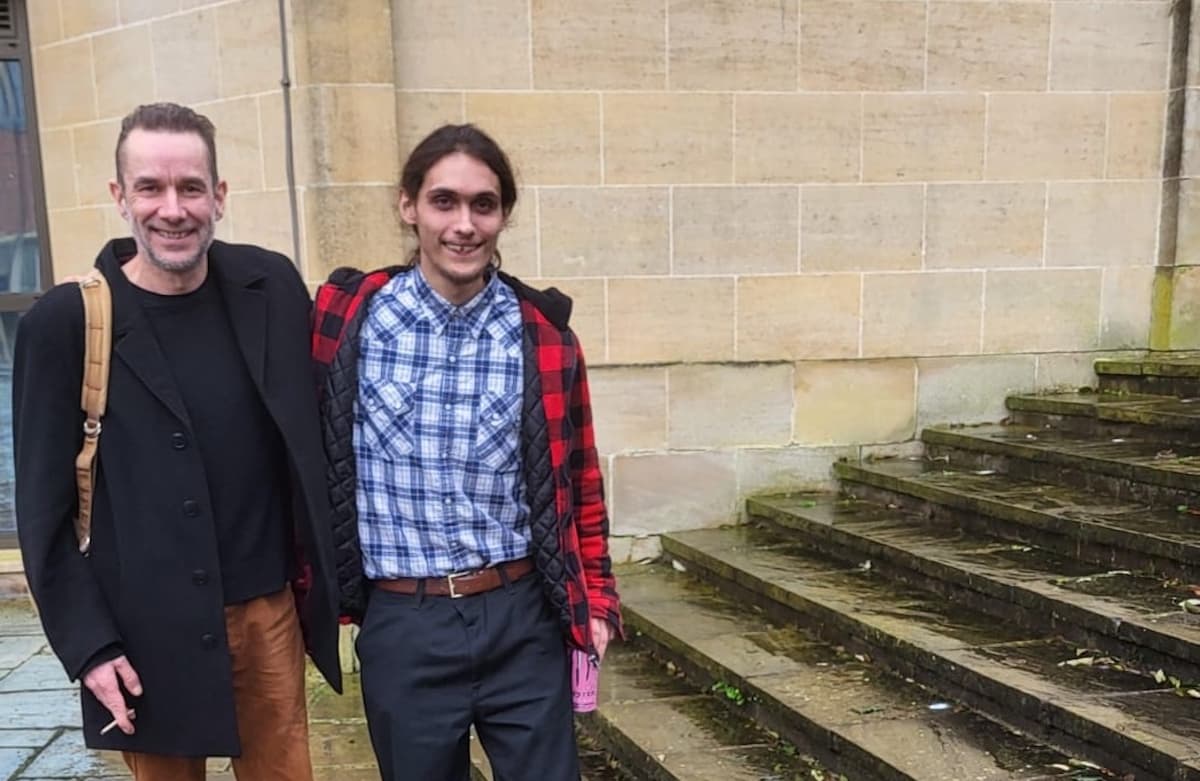
A UK medical cannabis patient has won a Crown Court appeal after being wrongly convicted of driving with THC above the legal limit.
At Winchester Crown Court on 10 February 2026, Sal Aziz, a legally prescribed medical cannabis patient, was fully acquitted of the charges after the prosecution failed to prove beyond reasonable doubt that the statutory medical defence did not apply.
While the case does not set a binding precedent, it clarifies the legal position on the use of controlled prescription medication beyond the expiry date and highlights the need for clear and consistent guidance on driving when prescribed medical cannabis.
For a detailed explanation of the law, THC limits, impairment, roadside testing and the statutory medical defence, see our guide to medical cannabis and driving UK.
An “unjust” two-year legal battle
Aziz has described his “unjust and traumatic” two-year legal battle after being stopped by the police during a routine operation while driving friends home from an event in March 2024.
He passed a roadside alcohol test but disclosed that he was prescribed cannabis when asked to take a drug swab.
Aziz says he appeared visibly nervous at the scene, due to past negative police encounters and a history of anxiety, and explained his condition to the officers.
Despite no issues with his driving, they conducted a Field Impairment Test and, based on their impression rather than evidence of impairment, arrested him.
Blood tests later showed 3.6 µg/L THC, a common and expected level for regular medical users, and Aziz was charged with Section 4 (impairment) and Section 5A (exceeding THC limit) of the Road Traffic Act.
He was suspended from his role as an NHS extreme‑weather driver, pending the outcome of the trial.
Unable to access legal aid, Aziz represented himself in magistrates’ court in October 2025, with support from Guy Coxall, founder of Seed Our Future, acting as a McKenzie Friend.
The magistrates put aside the impairment (Section 4) charge, but convicted him of exceeding the THC limit. The prosecution argued he was not lawfully using his medicine because it had been more than 30 days since his prescription was issued, and the product had passed its labelled expiry date.
Aziz appealed the decision, with the support of Coxall, and the case was escalated to Crown Court.
Like “drinking milk past the expiry date”
The judge dismissed the prosecution’s case that Aziz’s prescription was not valid after 30 days and that the medicine could not legally be used past its expiry date. There is no law prohibiting patients from using Schedule 2 controlled medicines after 30 days.
Defence witness, pharmacist Umesh Chauhan, made it clear that this was an issue of patient safety rather than criminality, and gave evidence clarifying that medical cannabis is often prescribed PRN (as needed) and can often last longer than 30 days.
He explained that possession and use beyond 30 days is fully lawful and not uncommon for PRN medicines, unless a prescriber expressly states otherwise, comparing using expired medication to “drinking milk past the expiry date”.
The judge agreed, questioning the prosecution’s assumptions, while other issues, such as unlawful possession, were dismissed due to a lack of evidence.
Speaking after the verdict, Aziz said: “This ordeal cost me almost two years of stress, travel, lost work, and damage to my mental health, all for taking the medicine I’m legally prescribed. If I didn’t have the courage, support, and knowledge to fight it, and the amazing support of Guy and Umesh, I could have been wrongly labelled a drug‑driver for life. No patient should face that.
“There must be greater clarity, training, and protection for the 90,000+ medical cannabis patients in the UK. This case shows how easily the system can fail us.”
The Statutory Medical Defence
Patients who test above the THC limit have a Statutory Medical Defence under Section 5A, meaning they are not guilty if the drug was lawfully prescribed, taken in accordance with directions, and possession was lawful.
Once raised, the burden shifts entirely to the prosecution to prove beyond reasonable doubt that the defence does not apply. The statutory medical defence is not an exemption from the drug-driving law and does not permit someone to drive while impaired.
Our guide to medical cannabis and driving UK explains the distinction between Section 4 impairment offences and the Section 5A specified drug limit, as well as what patients should know about roadside testing.
Police guidance on driving and medical cannabis
National guidance recently issued by the Association of Police Controlled Drug Liaison Officers (APCDLO), and approved by the National Police Chiefs’ Council (NPCC), confirms that medical cannabis is a Schedule 2 medicine and must be treated the same as any other controlled medication, including morphine, benzodiazepines, ADHD medicines, or opioids.
The APCDLO guidance makes clear that police must verify prescriptions and consider the statutory medical defence before taking enforcement action.
However, the current guidance provides only general advice around driving legislation specifically. As of September 2026, the NPCC Roads Policing Portfolio and APCDLO are working together on more definitive guidance specifically addressing medical cannabis and driving.
Richard List QPM, the Controlled Drug Liaison Officer who authored the national medical cannabis guidance, told Cannabis Health there remains active debate within policing over how prescribed patients should be dealt with at the roadside.
Aziz, who also serves as a director of the advocacy group, PatientsCann UK, has seen numerous accounts of wrongful arrests and prosecutions involving legitimate medical users.
He added: “I worry about how many patients have been convicted simply because they didn’t have the knowledge or money to fight back. Some may have accepted guilt to avoid costs. Others may have lost their jobs, licences, or reputations. We will continue working with police, regulators, and policymakers to stop this happening.”
The value of expert evidence
Robert Jappie, a lawyer specialising in medical cannabis regulation and a partner at Fieldfisher, congratulated Aziz and Coxall on the outcome and said it highlighted the importance of educating authorities on the prescription of cannabis.
He told Cannabis Health: “This case demonstrates the value of expert evidence —in this case, Umesh — in educating the authorities on medical cannabis, and that it should not be treated any differently from any other prescription medicine.”
Get the weekly briefing
A round-up of the latest science, regulation and developments across the UK and Europe — in your inbox every week.