Cannabis explained
The Endocannabinoid System, Explained: the Science Many Clinicians Were Never Taught
The endocannabinoid system (ECS) plays an important role in bodily function. Here, we unpack the science that is often missing from medical school curricula.
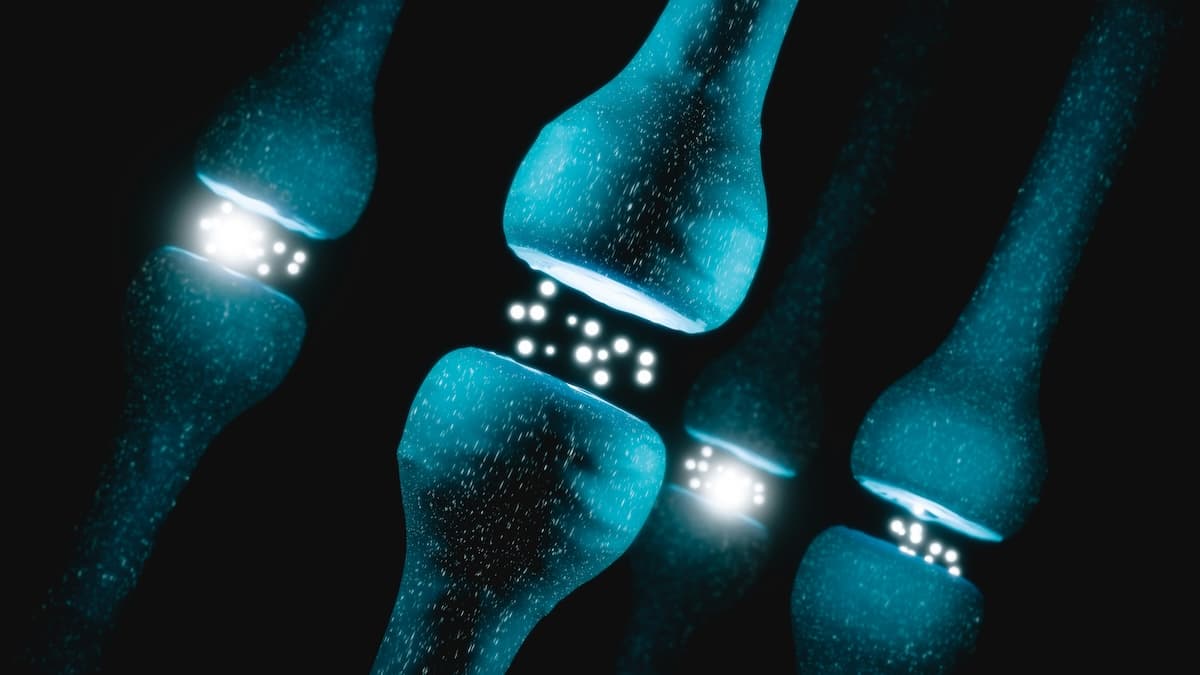
First discovered in the early 1990s, the endocannabinoid system (ECS) plays an important role in bodily function. Here, we unpack the science that is often missing from medical school curricula.
What is the endocannabinoid system?
The endocannabinoid system (ECS) is a signalling network found throughout the body. It uses naturally produced molecules called endocannabinoids, receptors including CB1 and CB2, and enzymes that make and break down those molecules. Together, they help regulate processes including pain, appetite, memory, immune activity, and responses to stress.
Definition: The endocannabinoid system (ECS)
A cell-signalling system made up of endocannabinoids, cannabinoid receptors, and the enzymes that produce and break down endocannabinoids. It helps cells communicate and helps regulate many physiological processes. [1]
The ECS exists independently of cannabis. However, research into the plant’s effects on the brain and body helped scientists better understand how it works.
For patients, understanding the ECS helps explain why cannabis compounds can have several effects at once. For clinicians, it provides a foundation for understanding cannabinoid medicines, including their limitations.
What does the endocannabinoid system actually do?
The ECS helps to regulate a host of different functions throughout the body and the brain, from pain and inflammation to temperature and mood, by helping cells adjust their signalling.
It is one of several systems involved in keeping the body functioning within a process called homeostasis, and is thought to play a role in:
- pain signalling and perception
- appetite and metabolism
- memory and learning
- stress and emotional responses
- sleep/wake processes
- immune and inflammatory signalling
- neuronal communication and synaptic plasticity
In Cannabis Health’s 2021 article, Dr Monica Taing, PharmD, RPh, a registered pharmacist and clinical cannabis consultant, explained: “It is the internal biological balancing mechanism of the body and brain.”
What are the three main parts of the endocannabinoid system?
There are three major components of the ECS: Endocannabinoids, regulatory enzymes, and receptors.
1. Endocannabinoids — the body’s own signalling molecules
Endocannabinoids are cannabinoid signalling molecules produced by the body itself.
The two most studied are anandamide (AEA) and 2-arachidonoylglycerol (2-AG). These are lipid-based molecules, meaning they are made from fatty building blocks. Cells produce them on demand, rather than storing them in the same way as conventional neurotransmitters.
Anandamide commonly behaves as a partial activator of CB1 receptors, while 2-AG can produce fuller activation of CB1 and CB2 in laboratory tests. [2]
2. Cannabinoid receptors — where signals are received
Receptors are proteins that respond to particular molecules and influence what happens inside a cell. CB1 and CB2 are the two recognised cannabinoid receptor types. Both belong to the G-protein-coupled receptor family, meaning they connect a molecular message to signalling machinery inside the cell.
3. Enzymes — how the signal is made and switched off
Enzymes are proteins that help chemical reactions happen. Some help produce endocannabinoids while others break them down. Two important breakdown enzymes are FAAH, which breaks down anandamide, and MAGL, which is a major enzyme responsible for breaking down 2-AG. These enzymes help determine how long a message lasts.
What are CB1 and CB2 receptors?
CB1 and CB2 are proteins that respond to cannabinoid signals. CB1 is especially abundant in the nervous system and helps regulate communication between nerve cells. CB2 is particularly associated with immune cells, but neither receptor is confined to one location: CB1 also occurs outside the brain, and CB2 has been detected within it.
| Feature | CB1 | CB2 |
| Main association | Nervous-system signalling | Immune-system signalling |
| Location | Particularly abundant in the brain; also present in other tissues | Prominent in immune tissues; also detected in the central nervous system |
| Why it matters | Helps explain changes in neurotransmitter release and many effects of THC | Relevant to research on immune activity and inflammation |
| Important qualification | A CB1 effect depends on the cell and circuit involved | Expression can vary with cell type and disease state |
How do THC and CBD interact with the endocannabinoid system?
Cannabidiol (CBD) and tetrahydrocannabinol (THC) are known as phytocannabinoids and interact with the ECS differently.
How does THC affect the ECS?
THC can activate the same receptor types used by endocannabinoids. However, its exposure pattern and effects differ from a locally produced signal that is quickly broken down. This CB1 activity helps explain some of THC’s therapeutic and psychoactive effects. [3]
How does CBD affect the ECS?
CBD does not produce the characteristic intoxication associated with THC, and this mechanism is more complex than simply activating CB1 or CB2. It interacts with multiple molecular targets and can influence cannabinoid signalling indirectly. [4]
What is endocannabinoid deficiency?
Clinical endocannabinoid deficiency is a research hypothesis proposing that reduced endocannabinoid signalling may contribute to some conditions, particularly migraine, fibromyalgia and irritable bowel syndrome. In a 2016 paper, neurologist and cannabinoid researcher Dr Ethan Russo reviewed evidence supporting the idea. [5]
However, this is not an established diagnosis, and symptoms alone do not demonstrate a deficiency or establish whether treatment with cannabis will address the underlying cause.
Why isn’t the ECS routinely taught in medical school?
Education about the ECS and medical cannabis remains inconsistent, and research has identified gaps in professional knowledge, with a 2025 consensus statement calling for clearer medical-cannabis competencies. However, teaching differs between institutions and countries.
A Portuguese study published in 2024 surveyed 610 people, including 318 nurses and 292 nursing students. When asked about ECS functions, 71.7% of nurses and 79.5% of students said they had never heard of them. [6]
A separate 2025 JAMA Network Open consensus statement identified understanding the ECS among proposed medical-cannabis competencies. The authors described many practitioners and trainees as unprepared to counsel patients and called for more consistent education. [7]
There is no single established explanation for the education gap. Possible contributing factors include crowded curricula, the difficulty of placing a cross-specialty network within a course, and the history of cannabis regulation and stigma.
As Dr David Tang, Consultant in Emergency Medicine and member of the Medical Cannabis Clinicians Society (MCCS) Expert Committee, commented earlier in 2026: “Most medical students still graduate with little understanding of the endocannabinoid system, prescribing frameworks, or how medical cannabis fits into regulated care pathways.”
What don’t we know about the endocannabinoid system yet?
While we have an established understanding of the biology of the ECS, much of its therapeutic potential is still being investigated.
Researchers are still exploring how endocannabinoid signalling varies between tissues, changes in disease, and interacts with other pathways. The classic model of two main messengers, two receptors, and their enzymes is useful but incomplete. The broader “endocannabinoidome” includes related lipid signals, additional targets, and overlapping pathways involved in making and breaking them down. A 2025 review of the endocannabinoidome explored this wider network and its pharmacological complexity. [8]
Questions remain about which changes are causes of disease, which are consequences, and which targets can be manipulated safely to produce a worthwhile clinical benefit.
What do clinicians need to know about the ECS?
Clinicians with an interest in prescribing cannabis-based medicines need a working understanding of the ECS’s components, receptor actions and clinical limits. That includes recognising the differences between THC and CBD, asking about cannabinoid use, and assessing evidence for specific treatments.
Secure your place
Join clinicians, researchers and patient advocates at Cannabis Health Symposium in Frankfurt on 4 November and London on 26 November 2026. Sessions will explore the endocannabinoid system’s relevance to clinical care, alongside the evidence, opportunities and unanswered questions surrounding cannabis-based medicines.
Explore the Frankfurt programme and book your place or find out more about London.
Frequently Asked Questions
Does everyone have an endocannabinoid system?
Yes. The ECS is part of human biology and functions independently of cannabis use. Your body produces its own signalling molecules, including anandamide and 2-AG. Cannabis compounds can interact with parts of this network, but using cannabis is not what creates it.
Does the endocannabinoid system control pain?
The ECS contributes to pain processing, but pain involves many interacting systems. Its involvement explains why cannabinoid targets are studied in pain research. It does not establish that every cannabinoid medicine will help every type of pain, or that the ECS is the sole cause of someone’s symptoms.
Does CBD activate CB1 and CB2 like THC?
No. CBD’s pharmacology differs from THC’s and includes actions beyond the classic cannabinoid receptors. Laboratory studies have found that it can alter CB1 responses through allosteric modulation. Describing CBD as simply activating CB1 or CB2 misses that complexity and does not explain its clinical effects. [9] [10]
Can a test diagnose an endocannabinoid deficiency?
Clinical endocannabinoid deficiency is not an established routine diagnosis with a validated standard test. Researchers can measure aspects of endocannabinoid biology, but interpreting those measurements as a diagnosis is a separate challenge. Migraine, fibromyalgia or bowel symptoms alone do not prove a person has too little endocannabinoid signalling. [11]
Do you need cannabis to support your ECS?
No. Your ECS functions without cannabis. Having cannabinoid receptors does not create a medical need for cannabis, CBD or a supplement. If you are considering treatment for a symptom, the useful question is whether a specific intervention has evidence of benefit for that problem and is appropriate for you.
Reference list
- Lu, H.-C. and Mackie, K. (2016). An Introduction to the Endogenous Cannabinoid System. Biological Psychiatry, 79(7), 516–525. DOI: 10.1016/j.biopsych.2015.07.028.
- Di Marzo, V. and De Petrocellis, L. (2012). Why do cannabinoid receptors have more than one endogenous ligand? Philosophical Transactions of the Royal Society B: Biological Sciences, 367(1607), 3216–3228. DOI: 10.1098/rstb.2011.0382.
- Sideris, A., Lauzadis, J. and Kaczocha, M. (2024). The Basic Science of Cannabinoids. Anesthesia & Analgesia, 138(1), 42–53. DOI: 10.1213/ANE.0000000000006472.
- Laprairie, R. B., Bagher, A. M., Kelly, M. E. M. and Denovan-Wright, E. M. (2015). Cannabidiol is a negative allosteric modulator of the cannabinoid CB1 receptor. British Journal of Pharmacology, 172(20), 4790–4805. DOI: 10.1111/bph.13250.
- Russo, E. B. (2016). Clinical Endocannabinoid Deficiency Reconsidered: Current Research Supports the Theory in Migraine, Fibromyalgia, Irritable Bowel, and Other Treatment-Resistant Syndromes. Cannabis and Cannabinoid Research, 1(1), 154–165. DOI: 10.1089/can.2016.0009.
- Paiva, C., Santos, T., Cunha-Oliveira, A., Rosendo, I. and Pita, J.-R. (2024). Knowledge, opinions and experiences of nurses and nursing students in Portugal regarding the use of medical Cannabis. BMC Nursing, 23, 788. Published 28 October 2024. DOI: 10.1186/s12912-024-02443-5.
- Zolotov, Y. et al. (2025). Developing Medical Cannabis Competencies: A Consensus Statement. JAMA Network Open, 8(10), e2535049. Published 1 October 2025. DOI: 10.1001/jamanetworkopen.2025.35049.
- Iannotti, F. A. and Di Marzo, V. (2025). The endocannabinoidomes: Pharmacological redundancy and promiscuity, and multi-kingdom variety of sources and molecular targets. Pharmacological Reviews, 77(4), 100070. DOI: 10.1016/j.pharmr.2025.100070
- Laprairie, R. B., Bagher, A. M., Kelly, M. E. M. and Denovan-Wright, E. M. (2015). Cannabidiol is a negative allosteric modulator of the cannabinoid CB1 receptor. British Journal of Pharmacology, 172(20), 4790–4805. doi:10.1111/bph.13250.
- Straiker, A., Dvorakova, M., Zimmowitch, A. and Mackie, K. (2018). Cannabidiol Inhibits Endocannabinoid Signaling in Autaptic Hippocampal Neurons. Molecular Pharmacology, 94(1), 743–748. doi:10.1124/mol.118.111864.
- Russo, E. B. (2016). Clinical Endocannabinoid Deficiency Reconsidered: Current Research Supports the Theory in Migraine, Fibromyalgia, Irritable Bowel, and Other Treatment-Resistant Syndromes. Cannabis and Cannabinoid Research, 1(1), 154–165. doi:10.1089/can.2016.0009.
Get the weekly briefing
A round-up of the latest science, regulation and developments across the UK and Europe — in your inbox every week.